
KM5 vs. KM4: Head-to-Head Decision on Bulk Matcha for the USA vs. Global Mass Market
Two bulk matcha SKUs from the same supplier, sitting in overlapping mesh ranges, both usable in a beverage. For a buyer who needs one purchase order to serve a US beverage programme and a global distribution network, the real question is not which powder is "better" — it is which SKU carries the grade position and the documentation set that every destination on that order will accept.
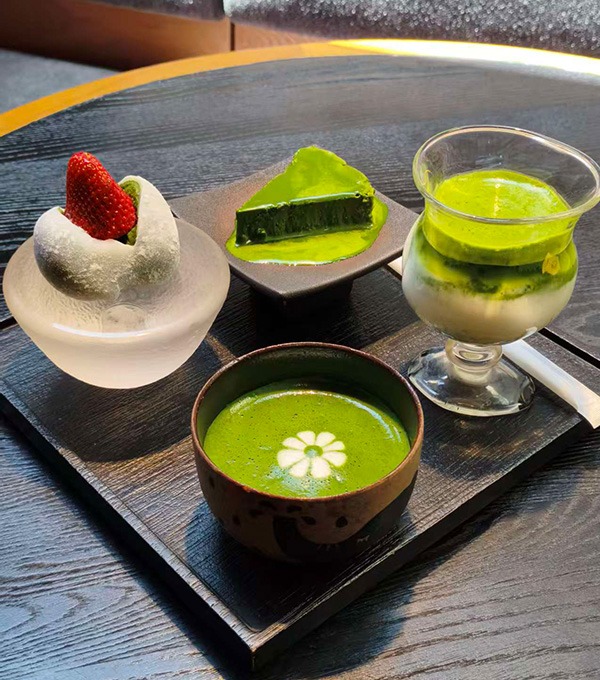
Why KM5 and KM4 Keep Appearing in the Same Quote
Both products are 100% Matcha Green Tea Powder made by Shanghai Kelrosa Health Technology Co., Ltd., the manufacturer behind the TangMist Matcha brand. Both are sold in bulk with a minimum order quantity of 10 kg and a 15–21 day lead time, and both sit in a fine-mesh band. Physically, either one can end up in a matcha latte.
The declared scopes are where they separate. KM5 is classified as Beverage Grade with a particle fineness of 1000–1200 mesh and is listed for milk tea, matcha latte, café drinks and beverage formulations. KM4 is classified as Culinary Plus with a particle fineness of 800–1200 mesh and is listed for chocolate, beverages, desserts and premium food products. The word "beverages" appears in KM4's scope as well — that single overlap is what makes the comparison feel unresolved. But the grade positions are different: KM4 is an enhanced culinary matcha positioned above standard culinary grade for premium food and beverage development, while KM5 is built around everyday café and milk-based beverage performance, balancing commercial scalability with beverage performance.
There is a second layer that most grade comparisons skip entirely: market. A US-bound shipment and a shipment moving into Halal-sensitive distribution do not require the same document package. When a buyer consolidates both into a single SKU, the decision becomes grade position plus documentation coverage — not a mesh number in isolation.
Market Background: Why Bulk Matcha Buying Became a Compliance Decision
Bulk matcha demand is expanding fastest exactly where documentation requirements are tightening. The global matcha market was valued at USD 5.1 billion in 2025 and is projected to reach USD 8.9 billion by 2033, according to Grand View Research. Culinary grade accounted for 56.4% of global market share in 2026, driven by industrial food and beverage manufacturing, per Market Data Forecast. Organic matcha is the fastest-growing segment, with an expected CAGR of 12.68% through 2033 (SNS Insider), and North America is the fastest-growing regional market at roughly 8% CAGR through 2030 (Forbes / Jade Leaf Matcha). Matcha powder featured in 68% of new product launches containing green tea in 2024, most of it culinary grade, according to the International Food Information Council.
Supply has followed demand. China's matcha output exceeded 12,000 tonnes in 2025 (People's Daily / Firsd Tea). Published estimates of China's share of global production do diverge substantially between sources, so any single share figure should be read as directional rather than exact.
On the regulatory side, three developments bear directly on a KM5-versus-KM4 decision:
- The US FDA requires Food Facility Registration and Foreign Supplier Verification Program (FSVP) documentation for all imported matcha powder.
- The EU tightened Maximum Residue Limits for clothianidin and thiamethoxam to 0.01 mg/kg effective March 2026 under Regulation (EC) No 396/2005.
- A US Section 122 duty of 10% on CIF value for matcha imports took effect in February 2026, per US Customs and Border Protection — a direct landed-cost factor for US-bound volume.
None of those requirements can be satisfied by mesh size. They are satisfied by the documentation that travels with the SKU, which is why a certification-led decision matrix resolves this comparison faster than a sensory one.
Detailed Solution: A Certification-Led Decision Matrix
KM5 — Beverage Grade, 1000–1200 Mesh
KM5 is TangMist Matcha's beverage-focused bulk matcha. Its particle fineness is 1000–1200 mesh and its material is 100% Matcha Green Tea Powder. The declared application scope covers milk tea, matcha latte, café drinks and beverage formulations. Positioned for everyday café and milk-based applications, it is designed around commercial scalability — the profile a beverage brand needs when the same drink has to taste consistent across many outlets and many repeat orders.
In the multi-market scenario, KM5 is the SKU that matches beverage-led demand in both a US programme and a global distribution network. Where the consolidated order is driven by drink volume — iced matcha lattes, milk tea, café menus — KM5 is the grade position that fits.
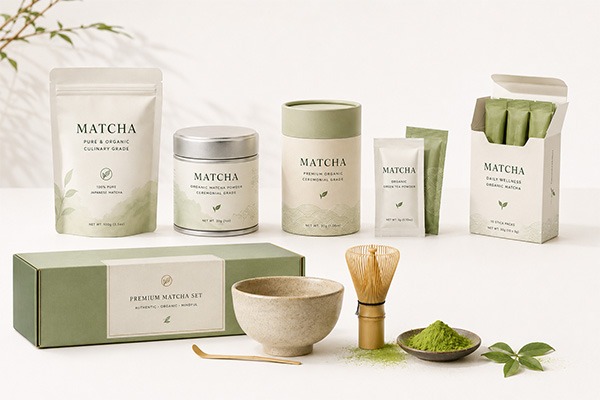
KM4 — Culinary Plus, 800–1200 Mesh
KM4 is the enhanced culinary SKU. Its particle fineness is 800–1200 mesh and its material is also 100% Matcha Green Tea Powder. The declared application scope covers chocolate, beverages, desserts and premium food products. TangMist positions it above standard culinary grade for brands that want a more premium matcha ingredient in food and beverage development — which is why it typically appears in dessert, confectionery and premium beverage briefs rather than in high-turnover drink programmes.
KM4 can be used in beverages, and its overlap with KM5 is genuine. The practical difference is that its grade position is weighted toward food applications, where matcha needs to hold flavour and colour inside a formulation rather than simply disperse into milk.
The Certification Layer Both SKUs Sit Inside
TangMist Matcha's supply and manufacturing systems are supported by internationally recognised certifications and quality standards including USDA Organic, EU Organic, HACCP, ISO 22000, GMP, Halal and Kosher, with certification and documentation options available according to product and destination-market requirements.
For KM5 and KM4 specifically, GMP and Halal documentation sit within that certified system, and the certificate set accompanying a shipment is configured per product and per destination. In practice, the buyer's due-diligence task is not "does the supplier hold certificates" — it is "which certificates travel with this SKU to this market." That distinction is what makes the documentation column the decisive one in the matrix below.
Verification step before signing: request the certificate set by SKU, check that the scope covers the specific product and production site, confirm validity dates, and verify certificate numbers with the issuing certification body. Documentation covering a product family is not automatically documentation covering the exact SKU on the purchase order.
Market-by-Market Documentation Map
| Destination market | Requirement to satisfy | What to confirm against KM5 / KM4 |
|---|---|---|
| United States | FDA Food Facility Registration and FSVP documentation for imported matcha powder; Section 122 duty of 10% on CIF value effective February 2026 | GMP documentation plus the records your FSVP importer needs, and a landed-cost calculation that includes the duty |
| European Union | MRL of 0.01 mg/kg for clothianidin and thiamethoxam effective March 2026; EU Organic where an organic claim is made | Residue testing documentation and, where applicable, EU Organic scope for the ordered SKU |
| Global Halal markets | Halal documentation within TangMist's certified system | Certificate scope covering the specific SKU and the destination requirement |
| Kosher-sensitive markets | Kosher documentation within TangMist's certified system | Certificate scope and validity for the ordered SKU |
How to Decide When Both SKUs Pass the First Screen
Both SKUs are 100% matcha green tea powder, both start at a 10 kg MOQ, both carry a 15–21 day lead time, and both sit inside the same GMP- and Halal-covered certified system. When everything sits equal apart from grade position, the decision rule is simple: name the dominant application in the order. Beverage-dominant volume goes to KM5's Beverage Grade position; formulation-dominant volume in chocolate, bakery and desserts goes to KM4's Culinary Plus position. If the split is genuinely even and only one SKU may be stocked, resolve it with a production-ratio sample test before locking the grade.
Step-by-Step Breakdown: Running the Head-to-Head Decision
- Define the single SKU's job. Write down what share of order volume is beverage versus food. If drinks dominate, KM5 leads. If chocolate, desserts and baked goods dominate, KM4 leads. Do this before comparing anything else.
- Map every destination on the order. List the countries and the documentation each one requires — FDA registration and FSVP for the US, EU MRL compliance for Europe, Halal and Kosher scope where relevant. This list becomes the screening filter.
- Screen on grade position, not mesh. KM5 is 1000–1200 mesh and Beverage Grade; KM4 is 800–1200 mesh and Culinary Plus. Mesh overlap confirms both powders are fine. Grade position tells you what the supplier built them to do.
- Match the powder to the process. Beverage production needs dispersion and consistency across repeat runs. Food manufacturing needs matcha presence that survives blending, fat and heat. KM5's stated scope is drink-based; KM4's stated scope is formulation-based.
- Confirm the documentation set per SKU. Ask for the certificate list attached to KM5 and to KM4 separately, then match it against the destination map from step two. Where a combined US and global release is required, confirm that both markets can be served from one SKU's document package.
- Validate with samples at production ratios. Sample in the real recipe, not in water. A milk-based drink test and a chocolate or baked test will separate the two SKUs faster than any specification sheet.
- Lock MOQ, lead time and the scale-up plan. Both SKUs start at 10 kg MOQ with a 15–21 day lead time, and TangMist's monthly capacity is 10 t. Confirm the ramp from trial order to repeat volume before the first PO, so the SKU choice still holds at scale.
Use Cases: Where the Decision Actually Lands
Beverage-led single-SKU programmes → KM5
A café and beverage brand working with TangMist Matcha selected a matcha grade based on milk compatibility, flavour strength and café preparation requirements, and established a stable supply for its beverage menu using a grade suitable for repeat commercial purchasing. That selection logic points to KM5 when the consolidated order is drink-driven.
Food-manufacturing programmes → KM4
A bakery and food manufacturer supported by TangMist selected an application-specific culinary grade that was incorporated into commercial formulations for cakes, cookies, desserts and chocolate while maintaining recognisable matcha flavour and a natural green appearance. Across a three-year relationship the client used 10 tons of culinary matcha. Where the consolidated order is formulation-driven, KM4 is the closer grade match.
Multi-market distributors and private label brands → decide on documentation first
TangMist supports private label matcha projects with a minimum order quantity of 10 kg, including grade selection, product positioning, private label packaging, labelling coordination and production. For a distributor or private label brand selling into both the US and Halal-sensitive markets, the documentation question has to be answered before the grade question, because a SKU that cannot be documented for a destination cannot be sold there at any mesh size.
KM5 vs. KM4 Comparison Table
| Decision factor | KM5 (product ID 7750) | KM4 (product ID 7749) |
|---|---|---|
| Grade type | Beverage Grade | Culinary Plus |
| Particle fineness | 1000–1200 mesh | 800–1200 mesh |
| Material | 100% Matcha Green Tea Powder | 100% Matcha Green Tea Powder |
| Declared application scope | Milk tea, matcha latte, café drinks, beverage formulations | Chocolate, beverages, desserts, premium food products |
| Positioning | Everyday café and milk-based applications; balances commercial scalability with beverage performance | Enhanced culinary matcha positioned above standard culinary grade for premium food and beverage development |
| Typical buying channel | Café chains, milk tea and beverage shops, beverage brands | Chocolate and confectionery, bakery and food manufacturing, dessert and premium food brands |
| Certification coverage | GMP and Halal documentation within TangMist's certified system; certificate set configured per product and destination | GMP and Halal documentation within TangMist's certified system; certificate set configured per product and destination |
| Best-fit single-SKU scenario | One SKU covering beverage-led demand across US and global markets | One SKU covering formulation-led demand in food manufacturing |
| MOQ | 10 kg | 10 kg |
| Lead time | 15–21 days | 15–21 days |
| Monthly capacity (supplier level) | 10 t | 10 t |
The table shows where the decision actually hinges. The two SKUs are equal on MOQ, lead time and capacity, and equivalent in the certification system they sit inside. They differ on grade position and declared application scope — and that difference is what decides which one can carry a multi-market order without a second SKU being added later.
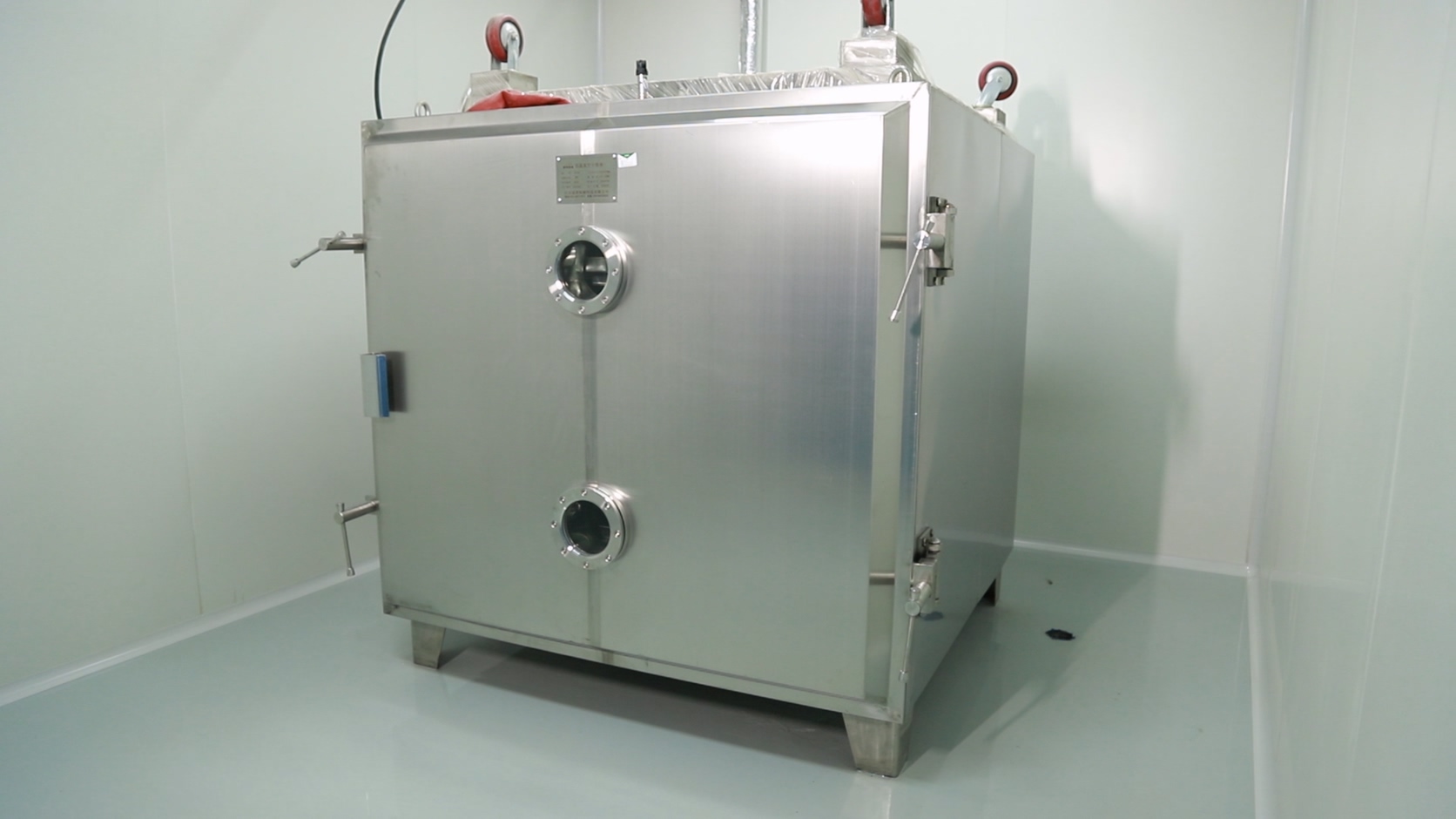
Frequently Asked Questions
Which certifications apply to KM5 and KM4 for the US market?
TangMist Matcha's supply and manufacturing systems are supported by USDA Organic, EU Organic, HACCP, ISO 22000, GMP, Halal and Kosher, with certification and documentation options available according to product and destination-market requirements. For the United States, imported matcha powder requires FDA Food Facility Registration and FSVP documentation from the importer, and GMP documentation sits within the document set. Because the certificate package is configured per product and destination, the exact list attached to KM5 or KM4 should be confirmed by SKU before the purchase order is placed.
Can KM5 serve both beverage and food applications, or do I need both KM5 and KM4?
KM5 is classified as Beverage Grade with a 1000–1200 mesh particle fineness, and its stated scope covers milk tea, matcha latte, café drinks and beverage formulations. KM4 is Culinary Plus at 800–1200 mesh, with a stated scope covering chocolate, beverages, desserts and premium food products. Both can be used in beverages, so a beverage-plus-dessert programme can technically run on one SKU — but grade position determines which application the powder was built for. If drink volume dominates, KM5 matches; if formulation work in chocolate, bakery or dessert dominates, KM4 matches.
How is a bulk KM5 or KM4 order priced?
TangMist Matcha issues project-based quotations rather than published list prices, because commercial terms depend on grade selection, order volume, packaging format, labelling requirements and the documentation needed for each destination. The minimum order quantity starts at 10 kg for both KM5 and KM4, which allows a brand to test the grade at market-launch scale before scaling up. On the US side, buyers should also factor in the Section 122 duty of 10% on CIF value for matcha imports that took effect in February 2026.
Can I request samples of KM5 and KM4 before committing to volume?
Yes. TangMist's after-sales support covers sampling, initial market testing, repeat orders and volume scale-up, and grade selection support is available for cafés, beverage brands, food manufacturers and retailers. Sample validation works best when the powder is tested in the actual production recipe — a milk-based drink for KM5, a chocolate, cream or baked formulation for KM4 — rather than in plain water.
What is the lead time and monthly capacity for bulk matcha orders?
Lead time is 15–21 days and monthly capacity is 10 t, with a minimum order quantity of 10 kg. Production is supported by in-house lab testing and random batch inspection, and product specification and batch consistency management are applied across grades. For buyers consolidating several markets onto one SKU, the practical step is to confirm the documentation set for each destination at the same time as the delivery schedule.
Conclusion: The Decision Comes Down to One Question
KM5 and KM4 are not competing products — they are two grade positions inside the same certified manufacturing system, and the head-to-head resolves once you name the job the single SKU has to do. If the order is driven by drink volume and must work across the US and global distribution, KM5's Beverage Grade position at 1000–1200 mesh matches that brief. If the order is driven by formulation work in chocolate, desserts and baked goods, KM4's Culinary Plus position at 800–1200 mesh matches instead. In both cases the certification and documentation package is configured per product and destination, so it should be confirmed by SKU before volume is committed.
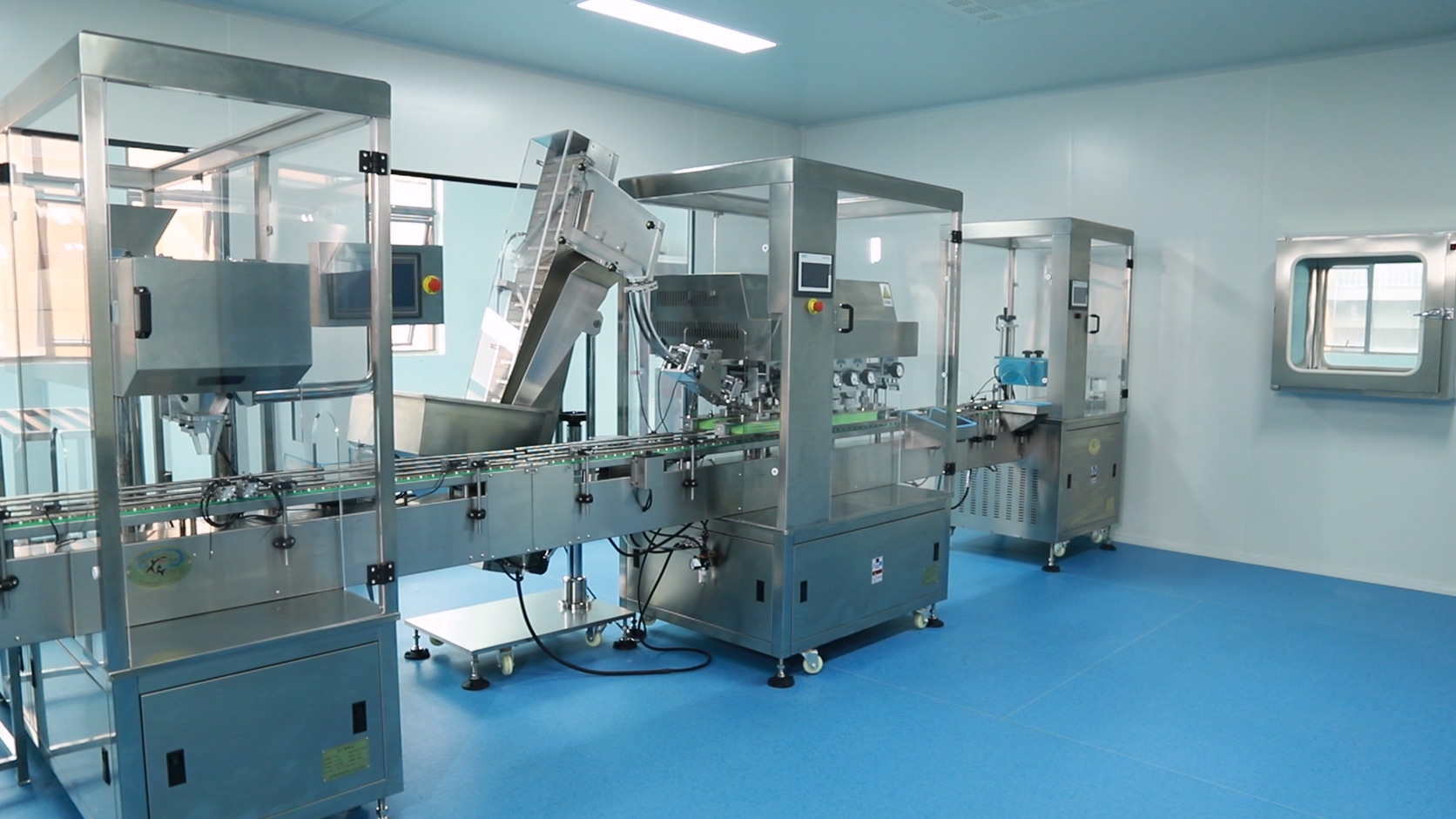
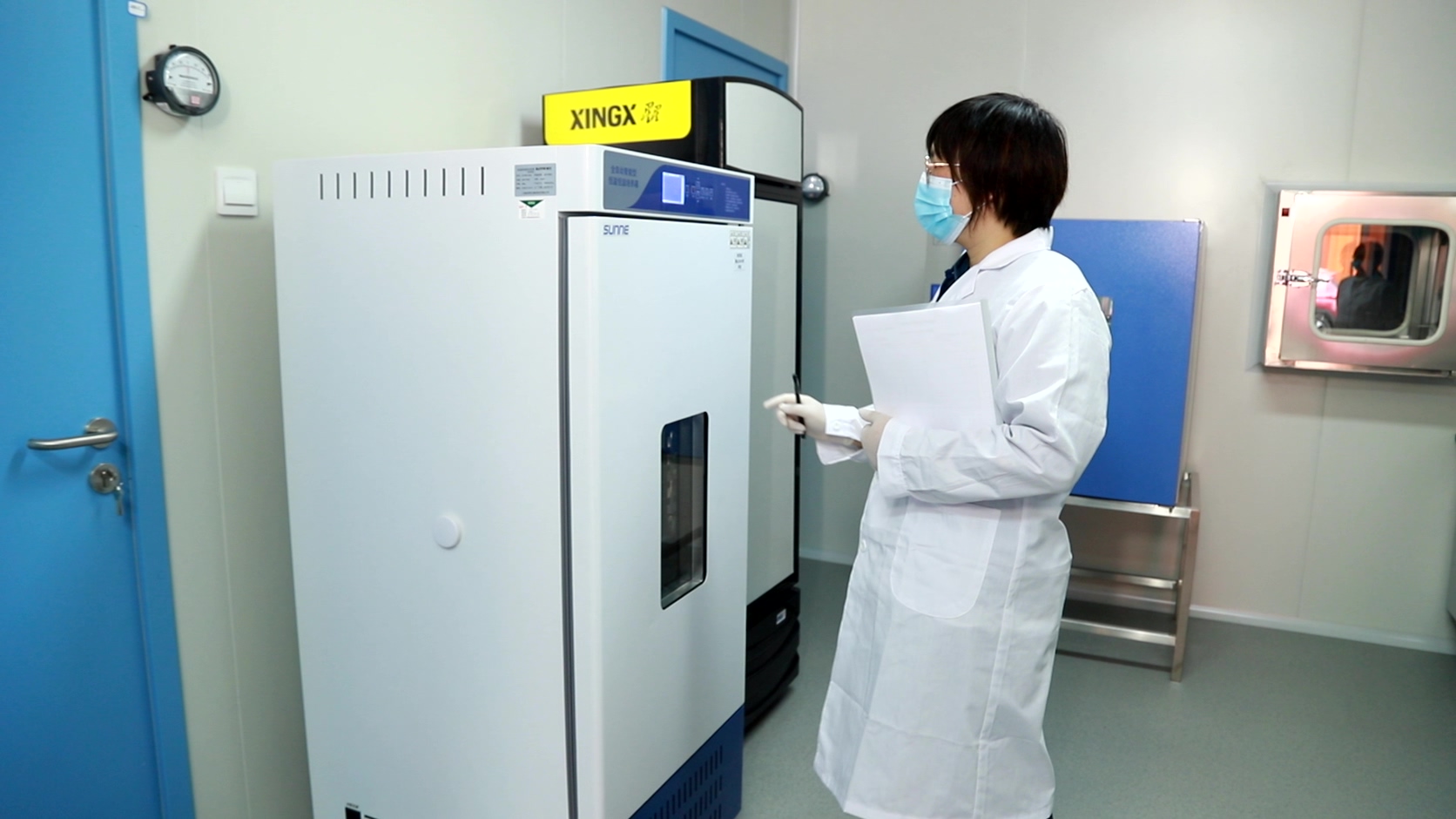
The products are manufactured by Shanghai Kelrosa Health Technology Co., Ltd., founded in 2024, operating a 10,000–30,000 m² facility in Shanghai, China, with an annual output of 100 t, around 30 employees, an R&D team of 5–10 people, and roughly 70% of output exported to the EU and USA. Bulk matcha, OEM, ODM and private label programmes are supported from a 10 kg minimum order quantity.
Next step: sample both SKUs, then decide
KM5 and KM4 can be sampled together, so the comparison is made in your own recipe rather than on a specification sheet. Request a sample kit or a project quote for KM5, KM4, or a combined beverage-plus-food programme, and TangMist Matcha will confirm the grade, the documentation set for each destination market, and the delivery schedule.
Email Mia@tangmist.com · WhatsApp +86 195 3843 0710 · Website tangmistmatcha.com
Contact: Mia · Shanghai Kelrosa Health Technology Co., Ltd. · No. 2177 Shenkun Road, Shanghai, China
Have Questions or Need More Details?
Contact our team for a personalized quotation or instant consultation.
Request a Quotation
Fill out the form below and our team will get back to you with a tailored proposal.
WhatsApp Direct Chat
Prefer to chat in real-time? Message us on WhatsApp for instant assistance & quick answers.
- Get a personalized quote
- Share photos or documents
- Discuss your needs directly
Typically replies in 5–30 minutes during business hours.