
How to Verify a Bulk Matcha Supplier: KM Codes, Certificates, Terms
Verifying a bulk matcha supplier means making three things agree with each other: the KM product code you intend to buy, the scope printed on each certificate, and the delivery terms attached to your order. A HACCP certificate issued for KM7–KM10 does not evidence KM1–KM6. EU Organic certification does not evidence GMP compliance for the United States market. The checks below show how to test each claim in writing before you commit to a production volume.
TangMist Matcha is the matcha brand of Shanghai Kelrosa Health Technology Co., Ltd., a matcha manufacturer and B2B supplier based in Shanghai, China, that works with cafés, food and beverage brands, distributors, wholesalers and private label businesses. Its certification coverage is published against specific KM product codes and specific destination markets, which makes it a practical worked example for the verification sequence described here. The same sequence applies to any bulk matcha supplier you evaluate.
By the end of this guide you will be able to match a certificate scope to a KM code, separate EU-market evidence from US-market evidence, check raw material and contaminant controls, and convert MOQ, Incoterms, lead time and acceptance criteria into written delivery checkpoints.

Why a Certificate Alone Cannot Pass Supplier Evaluation
The most common failure in bulk matcha sourcing is not a bad certificate. It is a valid certificate applied to the wrong product code, the wrong market, or the wrong grade tier. Certification claims are usually written in generic marketing language — “HACCP certified”, “ISO certified”, “organic certified” — while the underlying documents are always scoped to something narrower. Verification is the work of finding that scope.
Mismatch type 1: the product code
A HACCP certificate issued for KM7–KM10 supports ceremonial and ultra-ceremonial grades. It does not, by itself, support a food-safety claim for KM1–KM6, which sit in the functional, culinary and beverage tiers. Likewise, a HALAL certificate covering KM1–KM5 does not automatically extend to KM6–KM10. When a supplier quotes a grade, ask for the certificate that names that grade band.
Mismatch type 2: the destination market
Compliance evidence is market-specific. GMP documentation for the USA market, issued through Intertek under certificate SZ2511G3 and referencing 21 CFR Part 111, answers a different question from EU Organic certification issued through ECOCERT. An EU-bound buyer and a US-bound buyer need different document sets, even when they purchase the same KM code. It is a verification error to treat one market’s certificate as evidence for another.
Mismatch type 3: document status and site coverage
The third failure is a document that exists but does not do what the buyer assumes. Check the certificate number, the issuing body, the standard it is issued against, and whether it names the manufacturing site that will produce your batch. A certificate number is the fastest way to make a claim verifiable, because it can be checked against the issuing body rather than accepted on trust.
What Has Changed in the Bulk Matcha Market
Verification discipline matters more now than it did a few years ago, for two reasons: volumes are rising fast, and the regulatory baseline is moving. Both make a scope error more expensive.
- Market size: Grand View Research values the global matcha market at USD 5.1 billion in 2025, projected to reach USD 8.9 billion by 2033.
- Supply base: China’s matcha output exceeded 12,000 tonnes in 2025, roughly 70% of global production according to People’s Daily / Firsd Tea. Other analyses place China’s share considerably lower, so production-share figures should be treated as directional rather than exact.
- Export momentum: Zhejiang Province alone exported 1,241.97 tons of matcha in Q1 2026, a 7.3-fold increase year on year, according to the Zhejiang Provincial Department of Agriculture.
- Demand by grade: Culinary grade accounted for 56.4% of global market share in 2026 (Market Data Forecast), and organic-certified matcha represented approximately 41% of global demand in 2025 (Market Research Future).
- Growth regions: North America is the fastest-growing regional market at nearly 8% CAGR through 2030 (Forbes / Jade Leaf Matcha).
- Recognized suppliers: Fortune Business Insights lists leading global matcha suppliers as Aiya Co. Ltd, ITO EN LTD, Marukyu Koyamaen and DoMatcha — useful as a market map, not as a substitute for your own document checks.
On the regulatory side, three changes directly affect a 2026 bulk matcha order. The EU tightened Maximum Residue Limits for clothianidin and thiamethoxam to 0.01 mg/kg effective March 2026 under EU Regulation (EC) No 396/2005. The U.S. FDA requires Food Facility Registration and FSVP documentation for imported matcha powder. And a U.S. Section 122 duty of 10% on CIF value for matcha imports took effect in February 2026, according to U.S. Customs and Border Protection — which makes the choice between FOB and DDP a cost decision, not just a paperwork preference.
Supply-side constraints reinforce the same point. Traditional stone-grinding with granite mills produces only 30–40 g of matcha per hour per mill (Firsd Tea), which is one reason fine-mesh, high-grade material remains capacity-limited. A supplier that claims large-volume availability in ceremonial grades should be able to show you the equipment, the grade band and the certificate that supports the claim.

What Verified Certification Coverage Looks Like
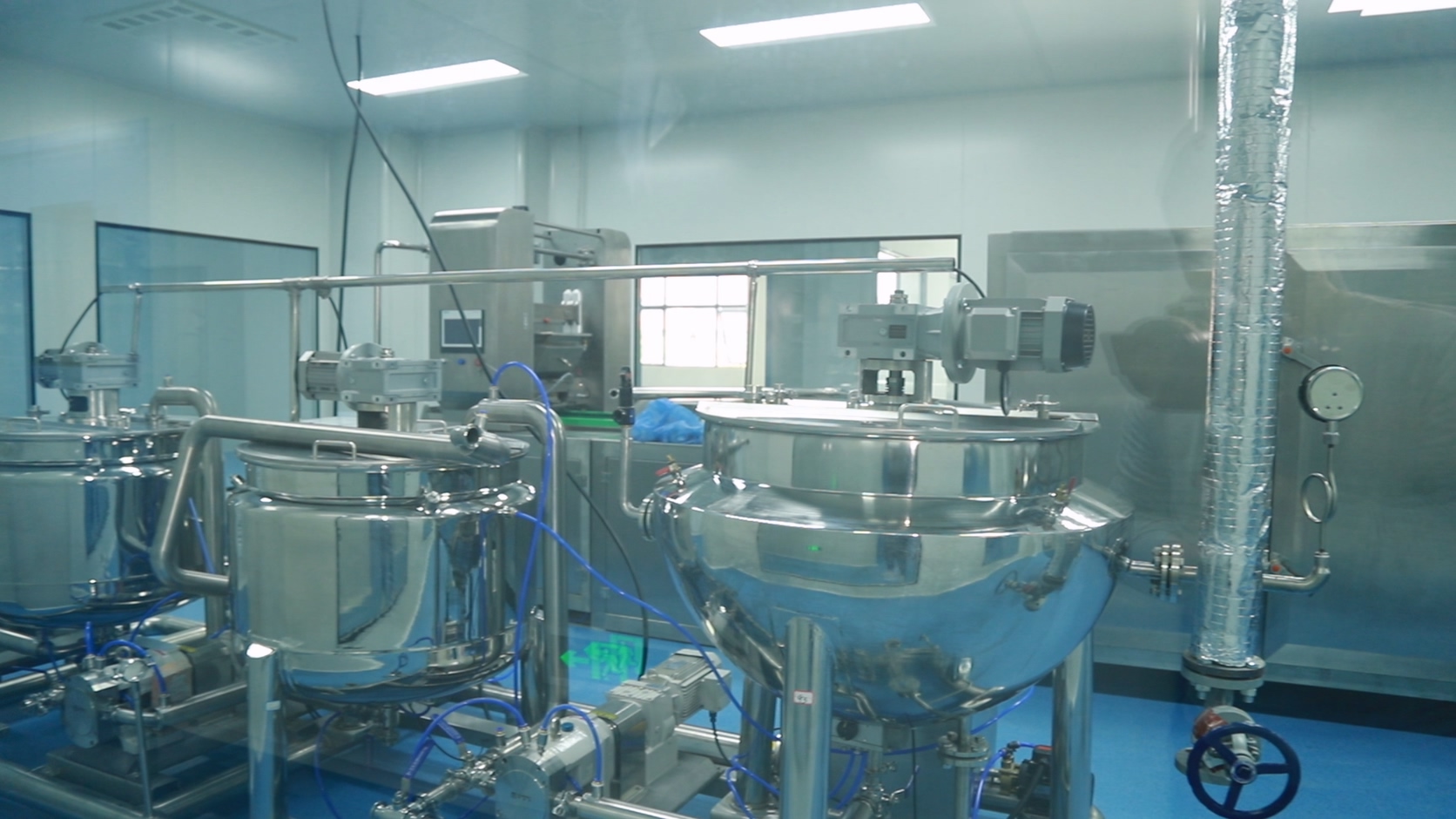
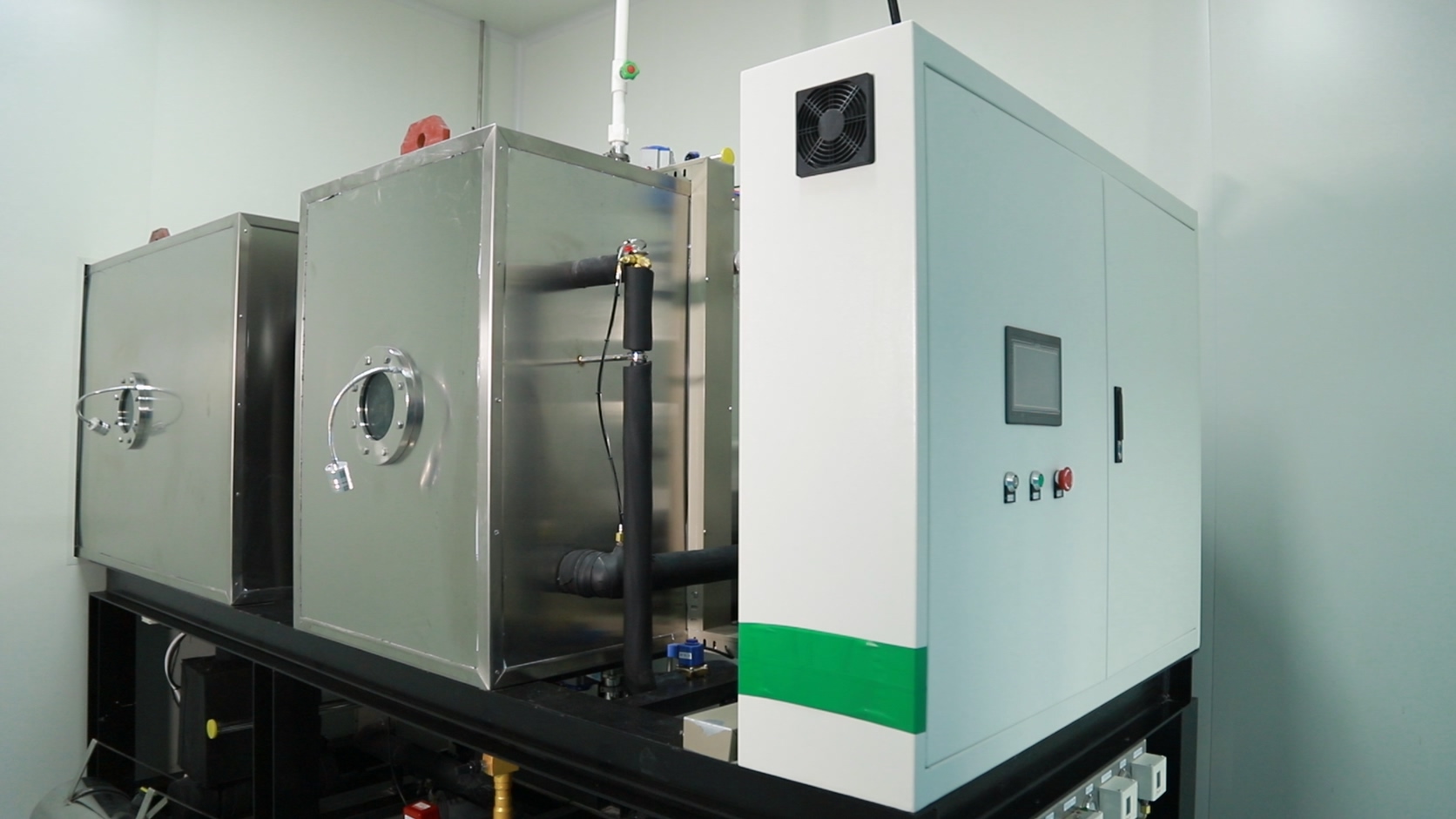
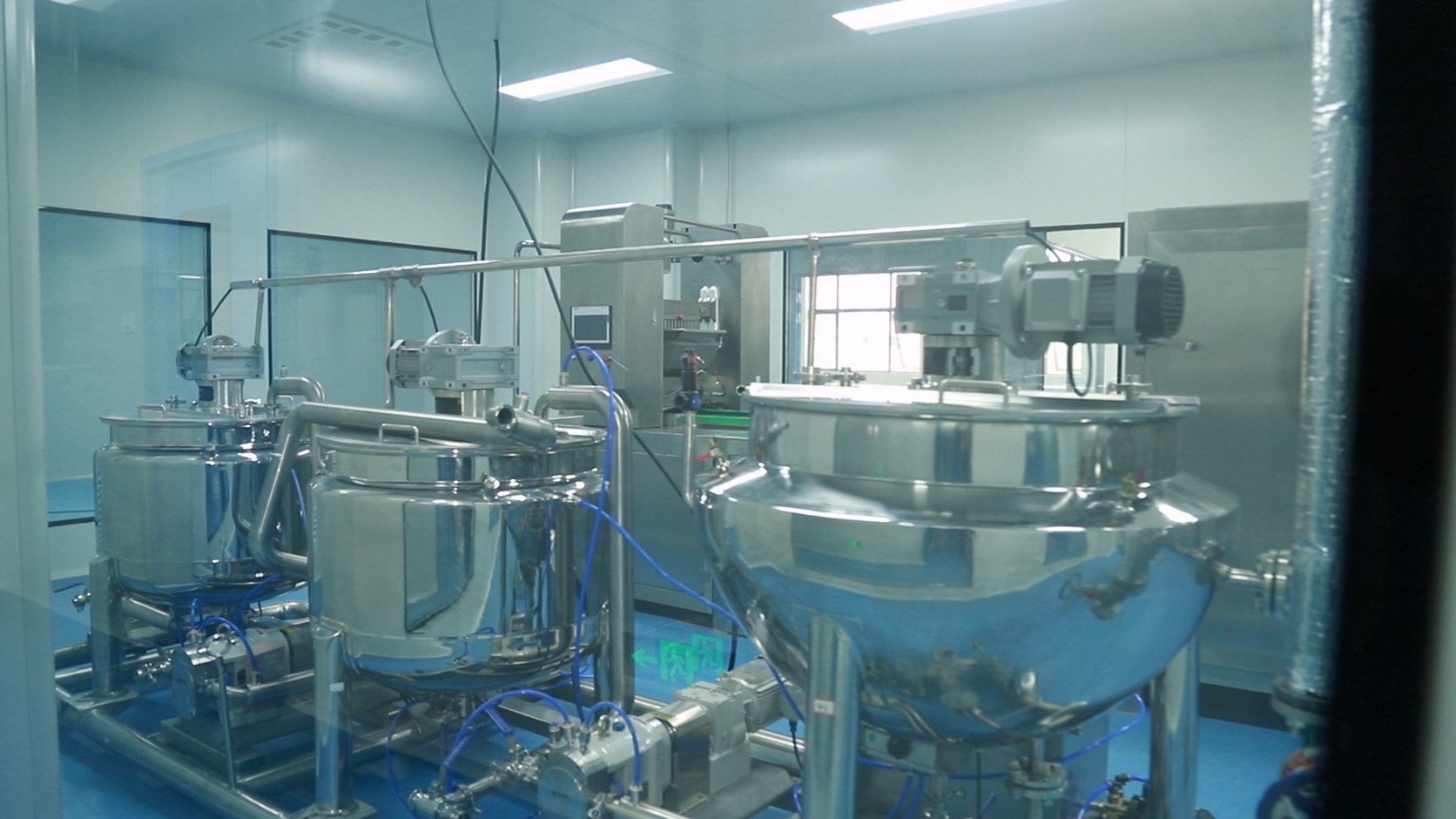
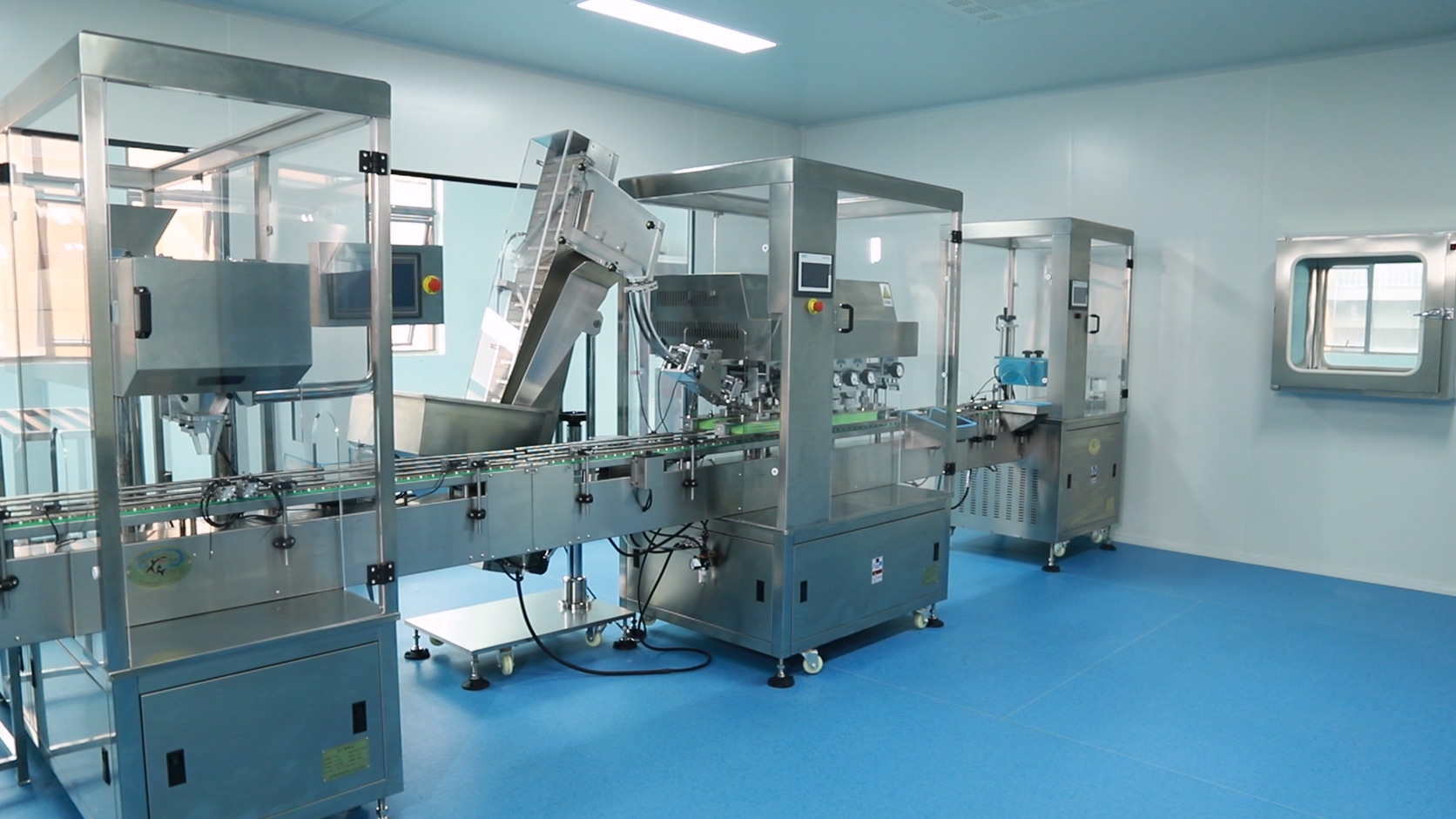
TangMist Matcha operates from a 10,000–30,000 m² facility with 30 employees, an annual output of 100 tonnes and an R&D team of 5–10 people. The company was founded in 2024 and exports approximately 70% of its production, with the EU and the USA as its main markets. Its product range runs from functional grade through ultra-ceremonial grade under ten KM codes, all specified as 100% matcha green tea powder, differentiated mainly by particle fineness and intended application.
- KM1–KM2 — Functional Grade: 800–1000 mesh; supplements, functional food blends and powdered formulations.
- KM3–KM4 — Culinary Grade / Culinary Plus: 800–1200 mesh; baking, ice cream, desserts, confectionery, chocolate and premium foods.
- KM5–KM6 — Beverage Grade / Premium Beverage: 1000–1200 mesh; milk tea, matcha latte, café drinks and beverage formulations.
- KM7–KM8 — Ceremonial Grade / Ceremonial Plus: 1300–1800 mesh; premium cafés, specialty tea beverages and premium retail.
- KM9–KM10 — Ultra Ceremonial / Ultra Ceremonial Plus: 1500–1800 mesh; high-end matcha brands, traditional preparation, tea ceremony and luxury retail.
Certification coverage is where the verification logic becomes visible, because each certificate is tied to a defined grade band or a defined market rather than to the brand as a whole.
Certificate scope by KM product code
| Certification / standard | Verification reference | KM codes covered | What it addresses |
|---|---|---|---|
| HACCP | CQC certificate 001HACCP2300121 | KM7–KM10 | Process-level food safety control for the ceremonial and ultra-ceremonial bands |
| ISO 22000 | CQC certificate 001FSMS2300111 | KM1–KM10 | Food safety management system across the full KM range |
| GMP (USA market) | Intertek certificate SZ2511G3, referencing 21 CFR Part 111 | KM1–KM10 | Good manufacturing practice evidence for US-bound product |
| EU Organic | ECOCERT, operator number CN-BIO-154, certificate CN-BIO-154-0003930.2025.001 | Confirm the specific grade in order documentation | EU organic market access |
| HALAL | AHF certificate HP 6785 CH, standard AHF 5600:2020 | KM1–KM5 | Halal conformity for functional, culinary and beverage grades |
| Kosher | Star-K certificate WXF44CWI | Confirm the specific grade in order documentation | Kosher certification for applicable products |
USDA Organic also appears in the company’s published certification list alongside the standards above. As with the EU Organic and Kosher entries, the practical step is not to assume coverage by grade but to have the applicable certificate attached to the order confirmation for the KM code you are buying.
Verification rule: a certificate is evidence only when four elements match your order — certificate number, issuing body, certificate scope, and the KM product code on the quotation. If any one of the four is missing, the claim is unverified, regardless of how familiar the certification name sounds.
A Six-Step Supplier Verification Workflow
- Define the KM code before you request quotes. Start from the application, not the price. A high-volume milk-based menu points to KM5–KM6 at 1000–1200 mesh; baking and desserts point to KM3–KM4 at 800–1200 mesh; premium café and retail positioning points to KM7–KM8 at 1300–1800 mesh; luxury and traditional preparation points to KM9–KM10 at 1500–1800 mesh. Fixing the code first prevents suppliers from quoting a certificate scope you did not ask about.
- Request the certificate document, not a statement about certification. Ask for the certificate number, the issuing body and the standard version. In the example above, that means references such as 001HACCP2300121, 001FSMS2300111, SZ2511G3 with 21 CFR Part 111, CN-BIO-154-0003930.2025.001, HP 6785 CH against AHF 5600:2020, and WXF44CWI.
- Match scope to grade and market in one step. Put the KM code next to the certificate scope next to the destination market. This step exposes the two most common errors instantly: a certificate that covers a different grade band, and a certificate issued for a different regulatory market.
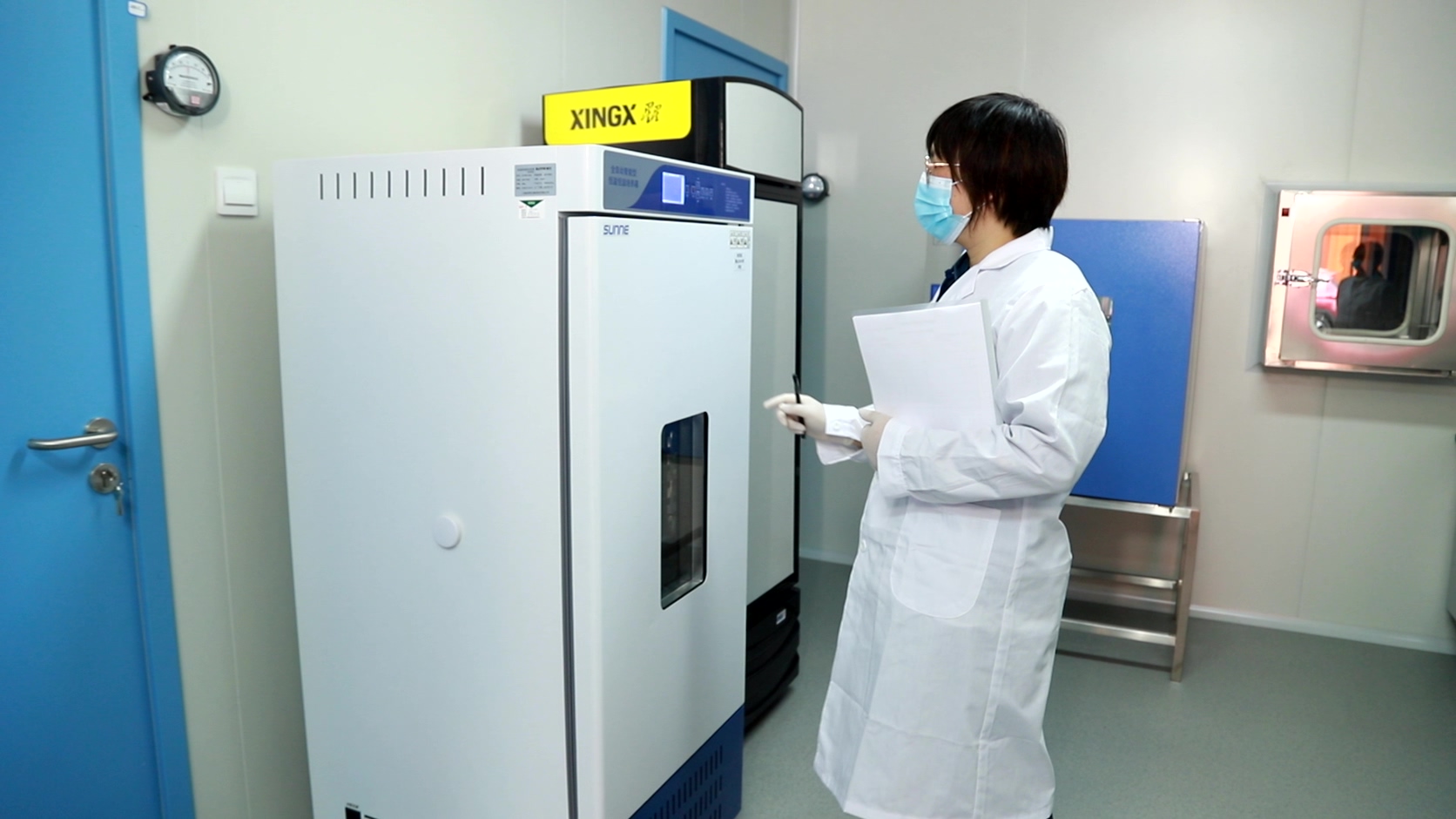
- Verify raw material control and contaminant testing. Raw materials should be evaluated against defined product specifications before production, and grades should be managed according to application, particle fineness and quality requirements to support consistent commercial supply. Pesticide residue and heavy metal testing can be conducted according to product specifications and destination-market requirements, with supporting documentation available where applicable. For EU-bound orders, this intersects with the 0.01 mg/kg MRL for clothianidin and thiamethoxam effective March 2026.
- Verify delivery assurance. Confirm MOQ, Incoterms, payment terms, production lead time and the acceptance criteria that will be used at shipment. These belong in the quotation, not in a later email thread.
- Convert the verification into contractual acceptance criteria. Once the certificate scope, the grade, the testing approach and the delivery terms are agreed, write them into the order as acceptance criteria. Verification that is not written down tends to disappear between the sample and the container.
Purchasing Terms and Acceptance Criteria as Delivery Checkpoints
For bulk matcha, purchasing terms function as verification checkpoints because they define what has to be true at shipment. TangMist Matcha MOQ starts from 10 kg, and standard lead time is 15–21 days. Delivery terms can be structured as EXW, FOB, CIF, DDP or other agreed Incoterms, and payment terms are 30/70. Where the order sits in the MOQ ladder changes which acceptance criteria are relevant.
Comparison table: MOQ tier, delivery terms and acceptance criteria
| MOQ tier | Delivery terms | Acceptance criteria focus | Payment terms |
|---|---|---|---|
| 10–25 kg | EXW, FOB, CIF, DDP and other agreed Incoterms | Application-based grade selection, product specification consultation, sample evaluation, order coordination | 30/70 |
| 25–100 kg | EXW, FOB, CIF, DDP and other agreed Incoterms | Grade recommendation, repeat-order support, specification coordination, packaging consultation, export documentation support | 30/70 |
| 100–300 kg | EXW, FOB, CIF, DDP and other agreed Incoterms | Batch consistency management, production planning, customized packaging coordination, documentation and logistics support | 30/70 |
| 300–500 kg | EXW, FOB, CIF, DDP and other agreed Incoterms | Batch planning, specification management, production scheduling, export documentation, shipment coordination | 30/70 |
| 500 kg–1 ton | EXW, FOB, CIF, DDP and other agreed Incoterms | Large-order production planning, batch consistency management, packaging coordination, compliance documentation, international logistics support | 30/70 |
Comparison table: bulk matcha supply vs. private label matcha supply
| Dimension | Bulk matcha supply | Private label matcha supply |
|---|---|---|
| Core difference | Matcha supplied as a B2B ingredient | Matcha combined with customized consumer-ready packaging and branding support |
| MOQ and lead time | MOQ starts from 10 kg; standard lead time 15–21 days | MOQ starts from 10 kg; standard lead time 15–21 days |
| Best for | Cafés, food manufacturers, beverage companies and distributors | Retail brands, e-commerce brands and specialty tea companies |
| Cost structure | Minimizes unnecessary retail packaging requirements | Includes additional customization and finished-product services |
| Integration | Integrated directly into the customer’s production process | May include packaging, labeling, branding and finished-product preparation |
| Efficiency | Suited to buyers with their own production or packing capability | Better for brands seeking a complete route from matcha selection to market-ready products |
Use Cases: Which Verification Path Fits Your Order
EU retail brand launching an organic matcha line
Priority documents are EU Organic certification through ECOCERT (operator number CN-BIO-154, certificate CN-BIO-154-0003930.2025.001) and residue documentation aligned with EU MRL requirements, including the 0.01 mg/kg limit for clothianidin and thiamethoxam effective March 2026. For retail positioning, the relevant grade bands are typically KM7–KM8 for premium café and retail use, or KM9–KM10 where the matcha itself carries the premium positioning.
US food or supplement manufacturer
The evidence set shifts to GMP for the USA market (Intertek SZ2511G3, referencing 21 CFR Part 111), plus FDA Food Facility Registration and FSVP documentation for the importer. Grade selection usually sits in KM1–KM4 for functional and culinary applications. Because a 10% Section 122 duty on CIF value applies to matcha imports as of February 2026, the Incoterm decision should be modelled before the quotation is finalized.
Café chain or beverage program
KM5–KM6 at 1000–1200 mesh is the application-focused band for milk-based, high-volume menus, and KM7–KM8 at 1300–1800 mesh supports a premium menu position. The verification emphasis here is batch consistency management and repeat-order support, because a café program fails on variation between shipments rather than on a single lot.
Distributor serving HALAL markets
The controlling document is the HALAL certificate — AHF certificate HP 6785 CH against AHF 5600:2020 — which covers KM1–KM5. A distributor should treat the grade band as part of the verification, since HALAL coverage does not extend across the whole KM range.
Private label and OEM brand
Private label buyers verify two layers: the ingredient layer (KM code, certificate scope, contaminant testing) and the finished-product layer (packaging, labeling, branding and finished-product preparation). The 15–21 day standard lead time applies to both routes, but the private label route adds customization work that should be scheduled into the acceptance criteria.
Frequently Asked Questions
Which certifications cover which TangMist Matcha KM product codes?
HACCP covers KM7–KM10 under CQC certificate 001HACCP2300121. ISO 22000 covers the full KM1–KM10 range under CQC certificate 001FSMS2300111. GMP for the USA market covers KM1–KM10 under Intertek certificate SZ2511G3, referencing 21 CFR Part 111. HALAL covers KM1–KM5 under AHF certificate HP 6785 CH against AHF 5600:2020. EU Organic is held through ECOCERT under operator number CN-BIO-154 and certificate CN-BIO-154-0003930.2025.001, and Kosher through Star-K certificate WXF44CWI. For the organic and Kosher certificates, confirm grade-level applicability in the order documentation.
How is raw material quality variation controlled, and how are pesticide residues and heavy metals handled?
Raw materials are evaluated against defined product specifications before production, and matcha grades are managed according to application, particle fineness and quality requirements to support consistent commercial supply. Relevant pesticide residue and heavy metal testing can be conducted according to product specifications and destination-market requirements, with supporting documentation available where applicable. Buyers should state the destination market at the quotation stage, because the testing scope follows the market requirement rather than a single universal standard.
What are the MOQ, payment terms and delivery terms for bulk matcha?
MOQ starts from 10 kg and scales through tiers of 10–25 kg, 25–100 kg, 100–300 kg, 300–500 kg and 500 kg–1 ton. Delivery terms can be EXW, FOB, CIF, DDP or other agreed Incoterms, and payment terms are 30/70. Larger tiers add acceptance criteria such as batch consistency management, production planning, packaging coordination, compliance documentation and international logistics support.
Can a buyer evaluate a sample before committing to a bulk order?
Yes. Sample evaluation is listed as part of the acceptance criteria at the 10–25 kg tier, together with application-based grade selection, product specification consultation and order coordination. Sampling is most useful when it is tied to a defined KM code and a defined application, so the sample result can be compared against the specification rather than judged on taste alone.
What is the standard lead time, and how are delivery terms protected?
Standard lead time is 15–21 days. Delivery assurance comes from written acceptance criteria covering production planning, batch consistency management, packaging coordination, compliance documentation and international logistics support, combined with agreed Incoterms and 30/70 payment terms. To start a verification request for a specific KM code, contact Mia at Mia@tangmist.com or WhatsApp +86 19538430710, or review the product range at tangmistmatcha.com.
Conclusion: Verify the Scope, Then Commit the Volume
Bulk matcha supplier evaluation is a documentation exercise before it is a commercial one. The certificate number, the issuing body, the grade band and the destination market have to line up with the KM code on the quotation; raw material and contaminant controls have to be described in terms of specification and market requirement; and MOQ, Incoterms, payment terms and lead time have to be written into acceptance criteria rather than agreed verbally.
For long-term supply, this discipline is what protects the relationship. A buyer who verifies scope once — and then holds repeat orders to the same written criteria — avoids the cycle of re-qualifying a supplier every time a shipment arrives. That is the difference between a one-off purchase and a supply relationship that continues to hold its specification.
Request a Sample and Certificate Pack
Tell us your target market, application and required KM code, and we will return the matching certificate references, specification sheet, MOQ tier and delivery terms for your review.
Contact: Mia — Mia@tangmist.com · Tel / WhatsApp: +86 19538430710 · tangmistmatcha.com
Have Questions or Need More Details?
Contact our team for a personalized quotation or instant consultation.
Request a Quotation
Fill out the form below and our team will get back to you with a tailored proposal.
WhatsApp Direct Chat
Prefer to chat in real-time? Message us on WhatsApp for instant assistance & quick answers.
- Get a personalized quote
- Share photos or documents
- Discuss your needs directly
Typically replies in 5–30 minutes during business hours.