
Bulk Organic Matcha Compliance: Residue & Metal Acceptance
Bulk Organic Matcha Compliance: Residue & Metal Acceptance

Production area for bulk matcha, where incoming material is evaluated before processing.
Bulk organic matcha compliance is not a certificate you file once. It is an acceptance system: an agreed grade specification, a defined residue and heavy metal test scope tied to a destination market, a document set released with every lot, and a written rule for what happens when a lot does not match.
For a café group, beverage manufacturer or private-label brand that reorders the same matcha every month, that distinction decides whether the fifth shipment behaves like the first. This guide sets out how that system is built, which documents are realistic to request, how purchasing terms interact with acceptance criteria, and where the limits of documentation sit.
What a Bulk Organic Matcha Compliance Decision Actually Contains
A compliance decision on bulk organic matcha contains three separate tests, and each one fails in a different way.
- Organic status. The product has to be organically produced and covered by a valid certificate whose scope includes the specific product and the destination market where the finished goods will be sold.
- Residue and heavy metal verification. The lot has to meet the requirement applicable in that destination market, evidenced by a certificate of analysis and test report that reference the lot actually shipped.
- Grade and application fit. The powder has to match the grade ordered in the way that grade is genuinely managed — for matcha, by application, particle fineness and quality requirements — so the drink, bake or blend performs the same way on the tenth order as on the first.
Buyers commonly manage one of these three and assume the other two travel with it. A certificate copy does not prove a lot result. A laboratory report does not prove organic scope. A grade name proves neither. The three questions need three different pieces of evidence, and they belong in one document rather than three separate email threads.
Grade names add a further complication: labels such as ceremonial or culinary are commercial descriptors rather than legally defined categories. They describe a market position, not a measurable specification. A buyer who purchases on the label alone has accepted a description; a buyer who attaches application, particle fineness and test scope to that label has created something that can be accepted, rejected and repeated.
Residue and Heavy Metal Evidence Is What Grade Labels Cannot Replace
Residue and heavy metal evidence carries more commercial weight than grade language because it is lot-specific and market-specific, while grade language is neither.
The broader supply picture explains why this matters more than it did a few years ago. Research and Markets valued the global matcha market at more than USD 4.58 billion in 2024 and projects an 8.48% compound annual growth rate for 2025–2030. Japan's Ministry of Finance customs statistics record 13,125 tonnes of green tea exported in FY2025. A 2026 commercial price guide estimates China at 60%–70% of global matcha production volume and benchmarks Japanese ceremonial-grade wholesale prices at USD 100–320 per kilogram; both of those figures are commercial estimates rather than official statistics, and should be read as a price landscape rather than an audited index.
For a buyer, the significance is not the size of the market. It is that supply now spans origins and price bands wide enough that two suppliers may both describe their product as organic ceremonial matcha while the material behind the description differs in grade attributes and in documented test scope. Under that condition, the specification and the test scope are the only comparable part of an offer. Compliance documents make offers comparable; adjectives do not.
Wide price bands create a second, quieter risk in replenishment. When a purchasing decision moves to a different origin or a lower grade, the delivered product changes unless the acceptance criteria move with it. A specification written per application, with a defined test scope and a lot-linked document set, keeps that change visible and intentional rather than silent.
The Five-Part Compliance Dossier for Bulk Organic Matcha
A workable dossier has five document groups, and each answers a different question in the buying process.
- Product specification sheet — grade, application, particle fineness, packaging and agreed test scope. It answers: what did we buy?
- Certificate of analysis (COA) for the lot — the measured results for the batch supplied. It answers: what did this lot test at?
- Applicable laboratory reports — the residue and heavy metal scope, method and reporting basis. They answer: who tested what, against which requirement?
- Certification documents — organic and quality standards, with product coverage and validity dates. They answer: which product, which market, until when?
- Export-related records — the paperwork that travels with the shipment. They answer: what accompanies the goods through customs?
TangMist Matcha states that available documents may include a product specification sheet, a COA, applicable laboratory reports, certification documents and export-related records, with availability depending on product, batch and order requirements. The company lists USDA Organic, EU Organic, HACCP, ISO 22000, GMP, Halal and Kosher among its certification and quality standards, and states that certification and documentation options are available according to product and destination-market requirements.
Organic availability is described as product- and batch-specific: China Organic, USDA Organic, EU Organic or JAS Organic may be listed as options for selected products. That wording should shape how a buyer reads it. A certificate number, certifying body, product coverage and validity date have to be checked against the order in front of you, not treated as a company-wide status that applies to every SKU and every market.
How Residue, Heavy Metal and Raw Material Controls Are Set Up
Residue, heavy metal and raw material control in TangMist Matcha's supply is described in two parts: testing against the agreed specification, and evaluation of incoming material before production.
On testing, the company states that relevant pesticide residue and heavy metal testing can be conducted according to product specifications and destination-market requirements, with supporting documentation available where applicable. Two qualifiers in that sentence carry the weight. First, the test scope follows the product specification and the destination market rather than a fixed universal panel — which means the buyer's market requirement has to be stated before testing tells anyone anything. Second, documentation is available where applicable, which makes it a per-order deliverable to be confirmed rather than a standing guarantee.
On raw material, TangMist states that raw materials are evaluated against defined product specifications before production, and that matcha grades are managed according to application, particle fineness and quality requirements to support consistent commercial supply. The sequence matters. Evaluation happens before production, so the specification the material is evaluated against is the buyer's main point of leverage. A buyer who has not written a specification has nothing to be evaluated against and no documented basis for a rejection.
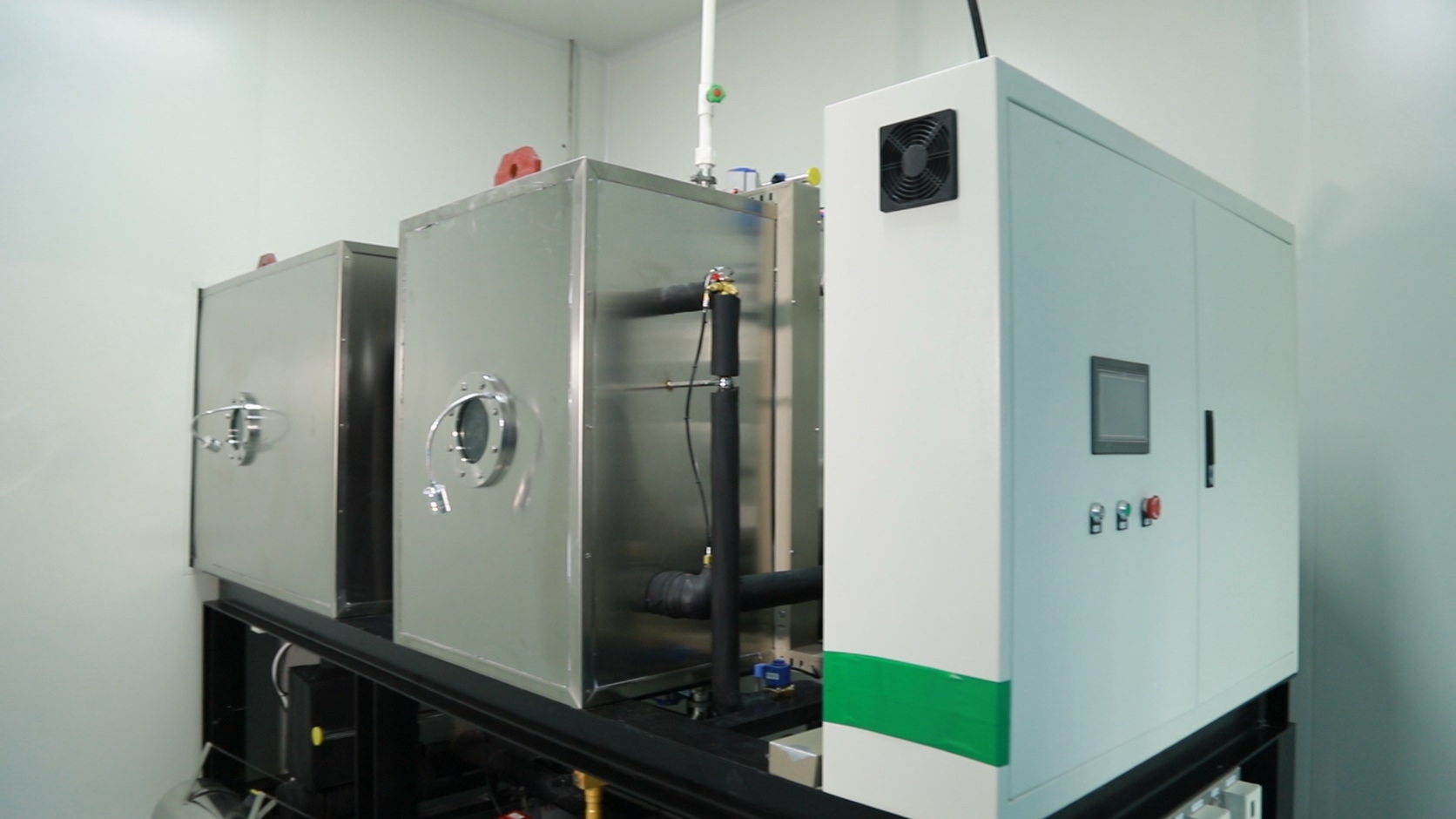
Processing equipment: grade is managed by application, particle fineness and quality requirements.
This guide deliberately does not quote residue or heavy metal limits. Permitted levels are set by the requirement applicable in the destination market and by the standard the buyer is claiming, and a number copied from an unrelated market is worse than no number at all. The practical instruction is to obtain the current applicable requirement for your market and product category, then confirm in writing that the test scope, method and reporting threshold used for your lots cover it.
Seven Steps to Acceptance Criteria That Survive Repeat Orders
Acceptance criteria survive repeat orders when they are written as pass/fail statements tied to a lot identity, rather than as descriptions of a product style. The sequence below follows the order a first order actually happens.
- Fix the grade specification first. State the grade, the application and the particle fineness range being bought. TangMist Matcha's KM range shows why the range belongs in the document: functional grades are quoted at 800–1000 mesh (KM1–KM2), culinary at 800–1200 mesh (KM3–KM4), beverage at 1000–1200 mesh (KM5–KM6), ceremonial at 1300–1800 mesh (KM7–KM8) and ultra-ceremonial at 1500–1800 mesh (KM9–KM10). Two suppliers can both offer ceremonial while sitting at different points inside that band, so the range, not the word, is the specification.
- Separate organic scope from product scope. Record the certificate name, certifying body, product covered, batch coverage and validity dates for the order. A certificate held by the company is not the same thing as a certificate that covers this product, this batch and this destination market.
- Agree the residue and heavy metal test scope with the destination market. Write the scope, method and reporting threshold into the specification and name the market the requirement comes from. If you sell into more than one market, test to the strictest applicable requirement or run separate scopes per market; do not average them into one panel.
- Tie every document to a lot identity. A COA or laboratory report that cannot be matched to the shipping lot code does not release the shipment. Ask for the same lot or batch code on the COA, the packing list and the shipment records.
- Make documentation a release condition, not a follow-up. The criterion is documents complete and matched before dispatch, not documents to follow. This is the single clause that prevents most replenishment disputes, because it moves the check upstream of freight and duty.
- Write the deviation path before the first rejection. Decide in advance what happens when a lot falls outside the agreed scope: hold, re-test, replace, credit or reject; who carries the test and freight cost; and what evidence is required. A deviation path agreed at quotation stage is a commercial discussion. The same discussion during a stock-out is a negotiation held at the worst possible moment.
- Record acceptance so the next order inherits it. Keep the approved specification, lot documents and acceptance decision together, and re-issue them when grade, application or market changes. Repeat-order support appears in TangMist Matcha's terms from the 25–100 kg band and batch consistency management from the 100–300 kg band, which only functions if the accepted baseline is written down.
Purchasing Terms: MOQ Bands, Delivery, Payment and Their Link to Acceptance
TangMist Matcha publishes its purchasing terms by order size, and the acceptance criteria attached to each band escalate with volume. Across all bands, delivery is EXW, FOB, CIF, DDP or other agreed Incoterms, payment terms are 30/70, the minimum order starts from 10 kg and the standard lead time is 15–21 days.
| Order band | Acceptance criteria focus | Shared terms |
|---|---|---|
| 10–25 kg | Application-based grade selection, product specification consultation, sample evaluation, order coordination | EXW / FOB / CIF / DDP or other agreed Incoterms; payment 30/70 |
| 25–100 kg | Grade recommendation, repeat-order support, specification coordination, packaging consultation, export documentation support | EXW / FOB / CIF / DDP or other agreed Incoterms; payment 30/70 |
| 100–300 kg | Batch consistency management, production planning, customized packaging coordination, documentation and logistics support | EXW / FOB / CIF / DDP or other agreed Incoterms; payment 30/70 |
| 300–500 kg | Batch planning, specification management, production scheduling, export documentation, shipment coordination | EXW / FOB / CIF / DDP or other agreed Incoterms; payment 30/70 |
| 500 kg–1 t | Large-order production planning, batch consistency management, packaging coordination, compliance documentation, international logistics support | EXW / FOB / CIF / DDP or other agreed Incoterms; payment 30/70 |
Read as a compliance ladder rather than a price list, the table says something useful. Batch consistency management appears as an explicit acceptance item from the 100–300 kg band upward, and compliance documentation appears at the 500 kg–1 t band. A buyer planning a café replenishment programme that will grow should therefore agree those mechanisms while volumes are still small, because the criteria that protect a large order have to exist before the order becomes large.
Lead time needs the same treatment. The published standard is 15–21 days, and the higher bands add production planning and scheduling as acceptance items. Order timing should be confirmed per order against the production slot rather than assumed from the standard figure, particularly when a new grade or a new packaging format is involved.
Aligning One Compliance Standard With Different Market Applications
One residue and heavy metal standard can cover several product lines at once; the grade specification cannot. That is the practical link between a compliance programme and a multi-application portfolio.
| Grade tier | Particle fineness (TangMist KM range) | Typical application |
|---|---|---|
| Functional | 800–1000 mesh (KM1–KM2) | Nutrition powders and functional food blends |
| Culinary | 800–1200 mesh (KM3–KM4) | Bakery, desserts, ice cream, chocolate, confectionery |
| Beverage | 1000–1200 mesh (KM5–KM6) | Matcha latte, milk tea, café beverages, specialty drinks |
| Ceremonial | 1300–1800 mesh (KM7–KM8) | Premium cafés, specialty beverages, retail products |
| Ultra Ceremonial | 1500–1800 mesh (KM9–KM10) | High-end matcha brands, traditional preparation, luxury retail |
A café latte programme and a bakery line can sit on the same residue and heavy metal acceptance standard and still need different rows in that table. Beverage grades are the application-focused choice for high-volume milk-based menus, while culinary grades are selected when matcha is combined with multiple food ingredients and has to remain noticeable in flavour and colour. Ceremonial grades are positioned for premium menus and retail products, where the matcha itself is a larger part of what the customer is paying for.
Private label adds a third layer. Bulk supply treats matcha as a B2B ingredient, while private label combines matcha with customized consumer-ready packaging and branding support, so the dossier grows to include packaging specification and labelling review alongside the product documents. The compliance core does not change; the number of documents that reference it does. Keeping the same residue and heavy metal acceptance language across a bulk line and a private-label line is what stops one product family from being qualified to a different standard than another.
Managing Raw Material Variation Without Loosening the Specification
Raw material variation is managed by evaluating incoming material against a fixed specification, not by adjusting the specification when a harvest or a lot behaves differently.
Matcha is an agricultural powder, and lots differ. TangMist's stated approach is to evaluate raw materials against defined product specifications before production and to manage grades by application, particle fineness and quality requirements. For a buyer, that translates into three habits: retain a sample of every accepted lot and compare it against the approved reference before the next order; review lot documents as a series rather than one at a time, so a shift becomes visible before it becomes a complaint; and treat any specification change as a dated, written decision with a stated reason.

R&D team: raw materials are evaluated against defined specifications before production.
Specification drift is the most common way a compliance programme fails quietly. A lot is rejected for sitting outside the agreed mesh range, a slightly wider range is offered, the wider range is used for the next order, and two years later the product on the menu is not the product that was qualified. The fix is procedural rather than technical: version the specification and require both sides to confirm each change in writing.
Replenishment Programmes: Choosing a Long-Term Bulk Organic Matcha Supplier
A long-term bulk organic matcha supplier for café replenishment is selected on documentation behaviour and specification discipline at least as much as on the sample.
- A written product specification per grade, with application and particle fineness stated.
- Certificate scope that can be matched to product, batch and destination market on request.
- A defined residue and heavy metal test scope per market, with lot-matched COA and laboratory reports.
- Acceptance criteria that scale with order size without changing meaning.
- A stated deviation path and evidence requirement, agreed before the first rejection.
- Commercial terms that fit the reorder cadence: MOQ band, Incoterm, payment split and lead time.
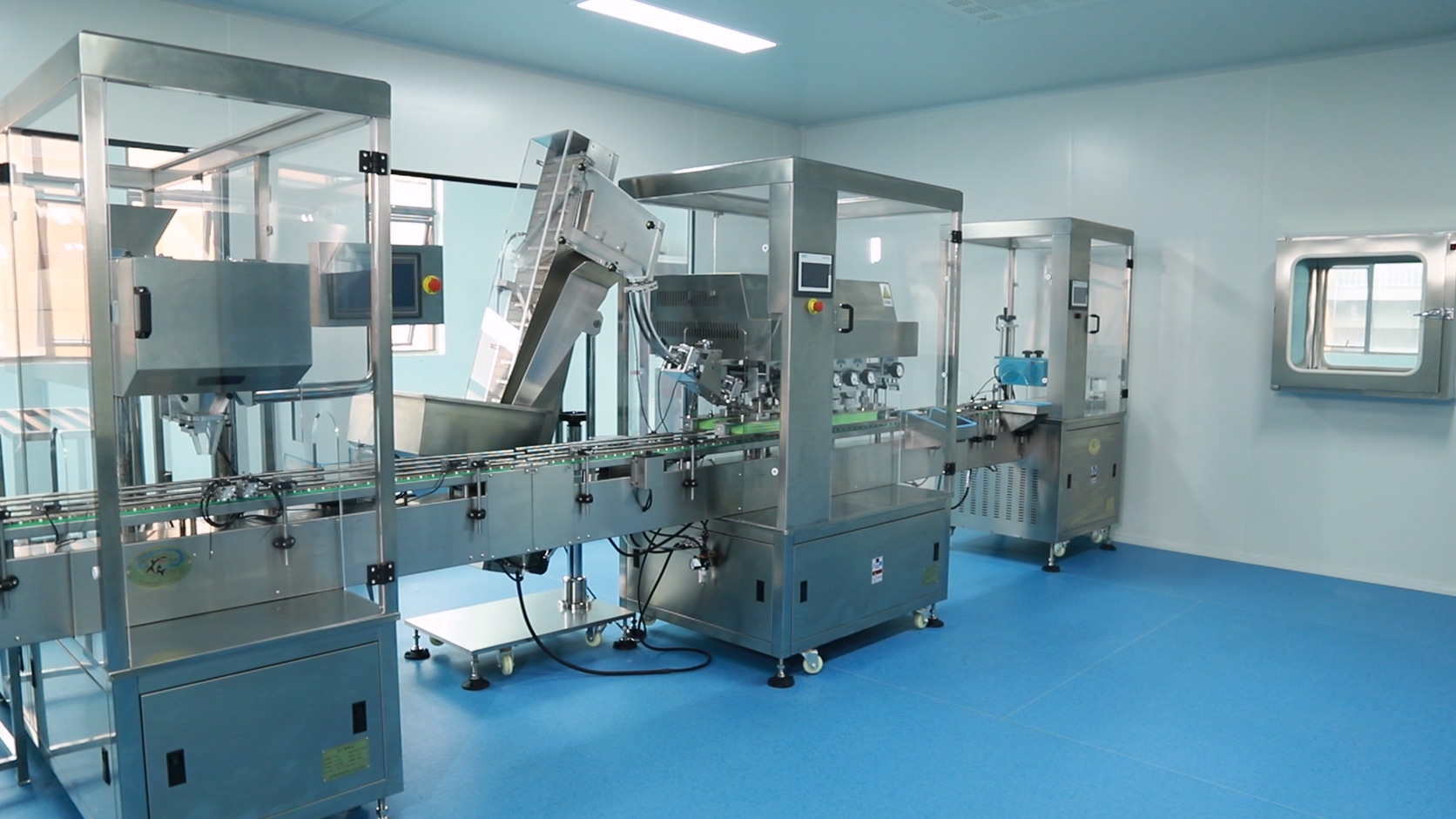
Production area supporting repeat bulk orders and batch consistency management.
TangMist Matcha, operated by Shanghai Kelrosa Health Technology Co., Ltd., reports a factory area of 10,000–30,000 m², an annual output of 100 t, 30 employees with an R&D group of 5–10 people, and a 70% export share concentrated on the EU and USA. It describes its customers as cafés, food and beverage brands, distributors, wholesalers and private-label businesses. Those are company-reported figures rather than independently verified capacity data, but they point to the right questions on a supplier questionnaire: which production site, which output, which share of that output is committed, and how the site is audited.
The published terms support a replenishment model at small and mid volumes: MOQ from 10 kg, sample evaluation and specification consultation at the 10–25 kg band, repeat-order support from 25–100 kg, batch consistency management from 100–300 kg, a 15–21 day standard lead time, and EXW, FOB, CIF or DDP delivery with 30/70 payment. Use the first order to test the document flow rather than only the powder: request the specification, the COA and the applicable reports, check that lot codes match across documents, and see whether the deviation path is answered in writing before a schedule is committed.
What the Documentation Does Not Prove
A compliance dossier proves what was tested and documented for a specific product, batch and market. It does not prove that every product from that supplier meets every market's requirement.
- A COA covers the lot it names and does not extend to the next production run.
- A certificate covers the scope printed on it, for the period printed on it. Certification options described as available for selected products are not a statement that every product is certified.
- A laboratory report is only as useful as its scope and the recognition of the reporting laboratory in the destination market. Both should be confirmed rather than assumed.
- Documentation described as available where applicable, or depending on product, batch and order requirements, is a per-order deliverable and should be confirmed per order.
- Company statements about certifications, capacity and markets are company-reported. Independent verification through certifier databases, laboratory confirmation or an audit is a separate step, and no supplier document replaces it.
There is a limit on the other side too. A missing public disclosure about a supplier's testing does not mean the testing is absent; it means it has not been documented to you yet. Ask for the specific document instead of inferring a capability from silence, and keep the answer with the rest of the dossier.
Where This Matters Most: Four Use Cases
Café replenishment programmes. The same grade ships every month, so a fixed acceptance baseline and a repeatable document flow matter more than a one-off sensory approval. The qualification that is worth keeping is the one written down.
Beverage production. Volumes move a buyer into the bands where batch consistency management and production planning become explicit acceptance items, and the market-specific test scope has to be settled before a production run is scheduled rather than after it.
Private-label retail. Packaging and labelling review join the product documents, and the finished consumer unit inherits the compliance decisions made at the raw material stage. Retail buyers and importers will ask for that chain, so it should exist before the product launches.
Bakery and culinary lines. Culinary grades are combined with other ingredients, so grade specification protects flavour and colour performance while the residue and heavy metal standard stays fixed across the whole product range.
FAQ
How are pesticide residues and heavy metals controlled in bulk organic matcha?
Control works in two stages. Raw materials are evaluated against defined product specifications before production, and grades are managed by application, particle fineness and quality requirements. Residue and heavy metal testing is then carried out according to the product specification and the destination market's requirements, with supporting documentation available where applicable. Because the test scope follows the market rather than a universal panel, buyers should state the destination market before testing is agreed.
Which documents should a buyer request before approving a bulk organic matcha lot?
Five groups: the product specification sheet, the certificate of analysis for the lot, the applicable laboratory reports, the certification documents for organic and quality standards, and export-related records. Availability depends on product, batch and order requirements. Check that the COA and laboratory report carry the same lot code as the shipment, and that the certificate's product scope and validity dates cover the order and the destination market.
What acceptance criteria belong in a bulk organic matcha supply agreement?
At minimum: grade with application and particle fineness range, organic certificate scope, residue and heavy metal test scope with documentation, lot identity linking documents to the shipment, packaging specification, a rule that documents are complete before dispatch, and a written deviation path. TangMist Matcha describes acceptance criteria by order size, moving from grade selection and sample evaluation at 10–25 kg to batch consistency management and compliance documentation at 500 kg–1 t.
What purchasing terms apply to bulk organic matcha orders?
TangMist Matcha's published terms set an MOQ from 10 kg, with bands at 10–25 kg, 25–100 kg, 100–300 kg, 300–500 kg and 500 kg–1 t. Delivery is EXW, FOB, CIF, DDP or other agreed Incoterms, payment terms are 30/70, and the standard lead time is 15–21 days. Because the higher bands include production planning and scheduling, timing should be confirmed per order.
How do you select long-term bulk organic matcha suppliers for café replenishment programmes?
Judge documentation behaviour, not only the sample. A supplier suited to replenishment can fix a written grade and test scope for your market, sends lot-matched COA and laboratory reports with each shipment, scales acceptance criteria with order size without changing their meaning, and answers the deviation path in writing. TangMist Matcha supplies café, beverage, food manufacturer, distributor and private-label programmes; sample evaluation and document review can be arranged through Mia@tangmist.com or WhatsApp +86 19538430710.
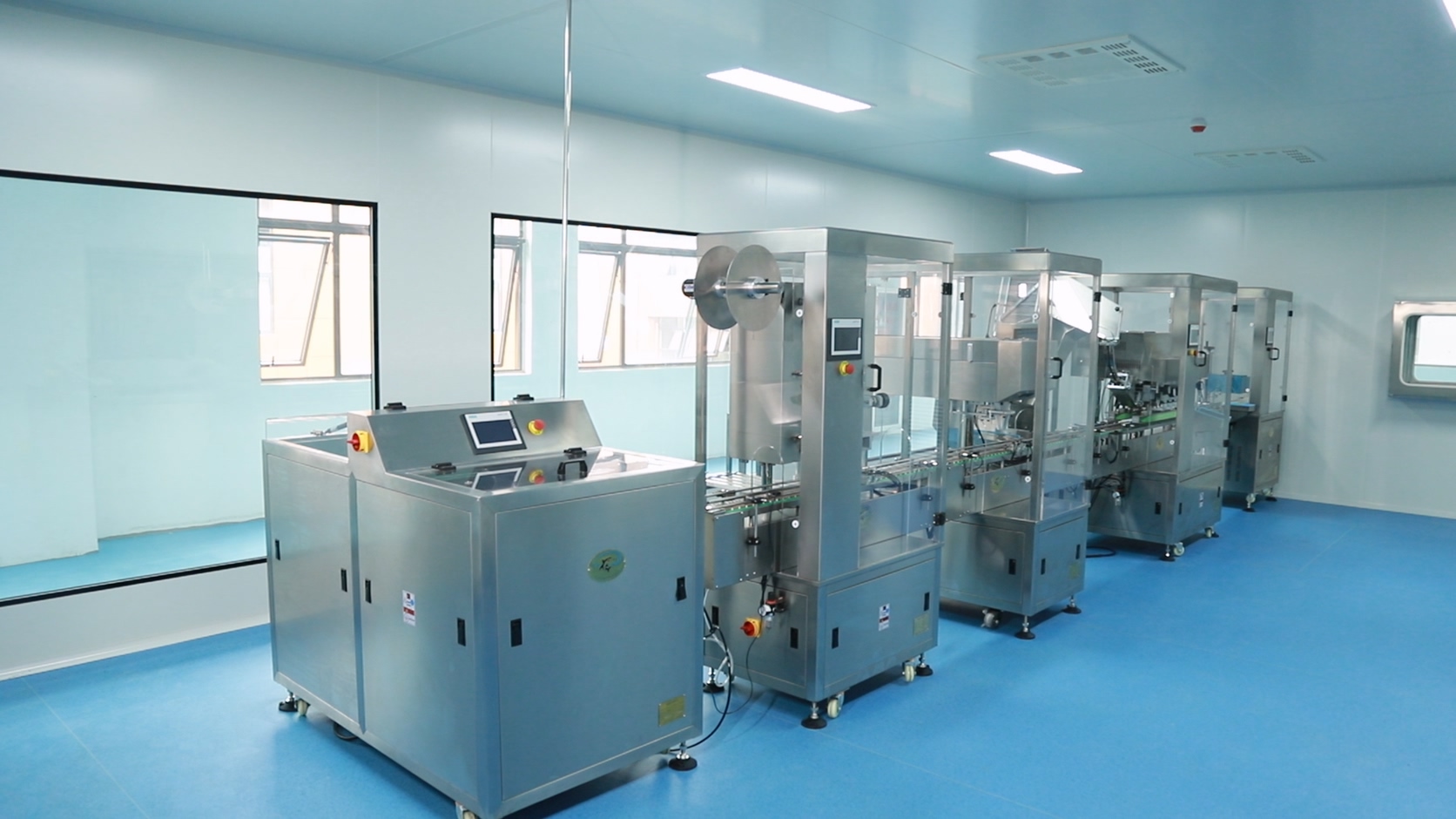
Repeat bulk orders begin with a written specification and a lot-matched document set.
Next step for buyers writing a specification. TangMist Matcha can share product specification and documentation options for the grade, MOQ band and destination market you are working to. Contact Mia at Mia@tangmist.com, reach the team on WhatsApp at +86 19538430710, or review the range at tangmistmatcha.com.
Conclusion
Compliance in bulk organic matcha is an agreement, not an artefact. The certificate, the COA and the laboratory report matter because they are attached to an agreed grade specification, a defined test scope and a lot identity — and because a deviation path exists before a deviation does.
Buyers who build that structure once gain something beyond a document folder: a replenishment programme in which a new lot, a new grade or a new market can be assessed against written criteria instead of renegotiated from memory. That is the difference between buying matcha repeatedly and buying it reliably.
Have Questions or Need More Details?
Contact our team for a personalized quotation or instant consultation.
Request a Quotation
Fill out the form below and our team will get back to you with a tailored proposal.
WhatsApp Direct Chat
Prefer to chat in real-time? Message us on WhatsApp for instant assistance & quick answers.
- Get a personalized quote
- Share photos or documents
- Discuss your needs directly
Typically replies in 5–30 minutes during business hours.