
How to Evaluate Bulk Organic Matcha Suppliers: Capability & Delivery Assurance
How to Evaluate Bulk Organic Matcha Suppliers: Capability & Delivery Assurance
Supplier evaluationOEM & private labelCafé beveragesDocumentation
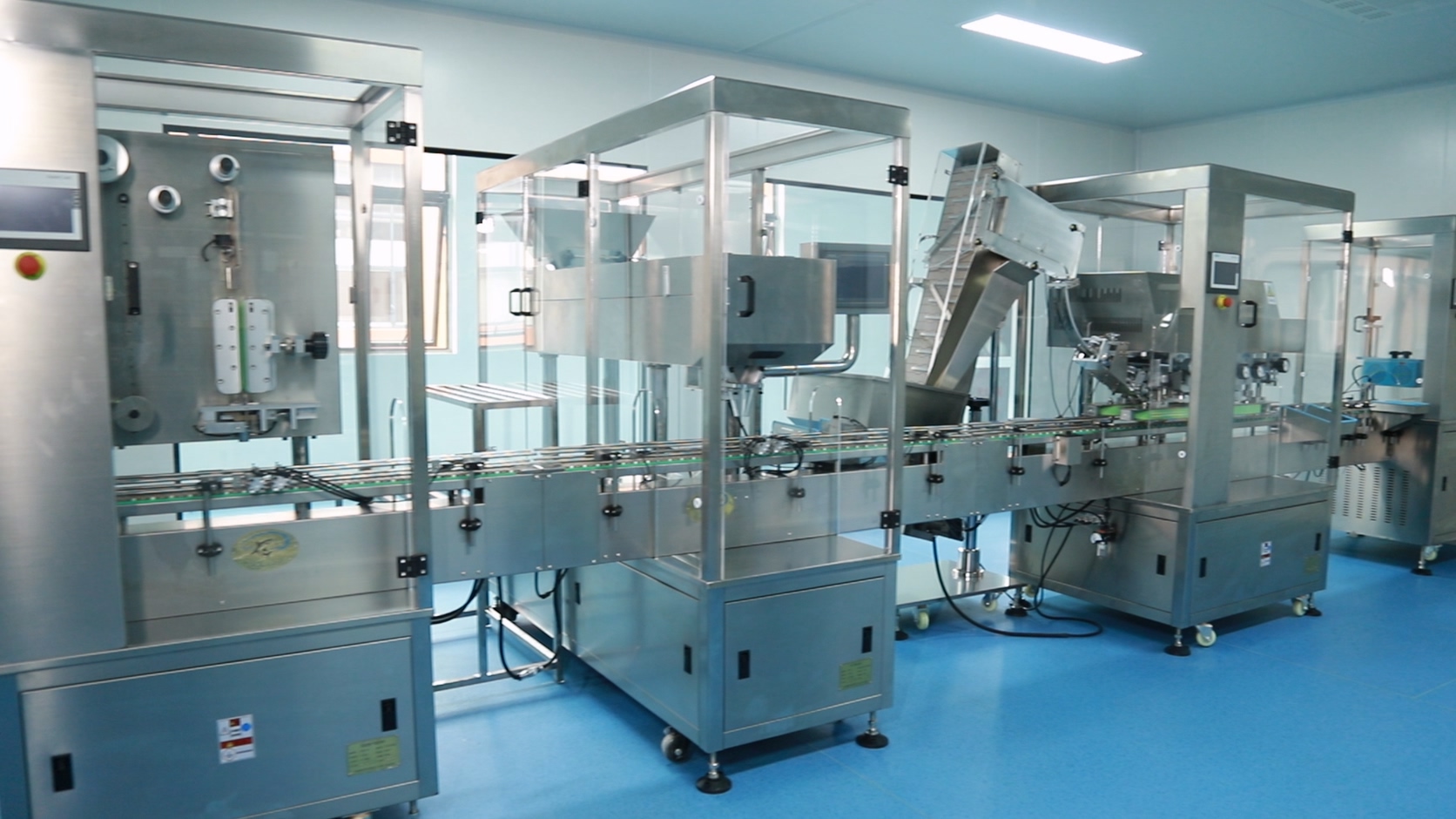
A bulk organic matcha supplier should be evaluated on four evidence blocks: the scope and validity of its organic and food-safety certificates, its control of grade and particle fineness, its documented production schedule (capacity, MOQ bands, lead time), and its familiarity with the application the powder will be used in — matcha milk tea, matcha latte, premium café beverages, baking or private-label retail. Grade names alone prove none of these, because terms such as “ceremonial” and “culinary” are commercial labels rather than legally defined categories.
TangMist Matcha is a matcha manufacturer and B2B supplier based in Shanghai, China, operated by Shanghai Kelrosa Health Technology Co., Ltd. The company supplies functional, culinary, beverage, ceremonial and ultra-ceremonial grade matcha powder to cafés, beverage brands, food manufacturers, distributors, wholesalers and private-label businesses, with the EU and the USA as its main export markets and a stated export share of 70%.
This guide is written for buyers in the evaluation-to-execution stage: you have a shortlist, you may already hold a sample, and you now need to decide whether the supplier can repeat that sample at 500 kg or 5 tonnes without drift in colour, flavour, documentation or delivery date. Each section below converts a capability claim into an artefact you can request, read and file.
Problem Definition: Where Bulk Organic Matcha Programs Actually Fail
Most sourcing failures in bulk organic matcha are not caused by a bad sample. They are caused by the distance between what the sample proved and what the supplier’s production system can repeat. Three failure modes account for most of the gaps buyers discover after the purchase order is issued.
Failure mode 1 — grade drift between sample and production batch
Matcha is differentiated by leaf material, milling fineness, colour intensity and performance in the final application, not by a single enforceable global standard. A supplier can therefore ship a different leaf base, a different particle fineness or a different blend proportion under the same grade name without any document being technically false. When the powder is destined for a matcha latte or matcha milk tea menu, the visible consequences follow immediately: colour dulls, foam collapses, dispersion in milk becomes uneven, and bitterness rises behind dairy. The defence is a written specification that names particle fineness and target application, backed by a batch-consistency process.
Failure mode 2 — documentation that exists but does not cover your product
Organic and food-safety certificates are issued against a defined scope: a product category, a process, a site and a validity window. A certificate that exists is not the same as a certificate that covers your SKU, your destination market and your shipment date. Kosher and Halal certificates commonly list named products; organic certificates list processing categories. If nobody checks the scope against the purchase, the certificate becomes an expensive PDF instead of market access.
Failure mode 3 — delivery slippage in high-volume beverage rollouts
Café chains and beverage brands buy against a launch date. A supplier that produces excellent 10 kg samples but plans production informally will compress the buyer’s buffer to zero once a one-tonne order enters the queue. Capacity expressed as a monthly figure, a stated production lead time, defined MOQ bands and pre-shipment verification are what convert a supplier from “possible” to “plannable”.
Residue and heavy-metal control belongs in the same category as delivery assurance, because both are evidence of process discipline rather than promises. A supplier that can produce testing documentation on request, tied to a specification and a destination market, is usually also a supplier that can produce a shipping schedule on request.
Industry Background: A Growing Market With Uneven Supplier Maturity
Demand-side numbers explain why buyers are now offered more suppliers than they can easily qualify. Research and Markets valued the global matcha market at more than USD 4.58 billion in 2024 and projected a compound annual growth rate of 8.48% for 2025–2030. Growth at that rate pulls new milling capacity and new trading intermediaries into the category faster than buyer qualification processes usually adapt.
Supply remains concentrated. Japan’s green tea exports reached 13,125 tonnes in FY2025 according to Japan Ministry of Finance customs statistics, and Japanese ceremonial-grade matcha has historically set the quality benchmark for the category. Commercial price benchmarking published for 2026 places Japanese ceremonial-grade matcha at roughly USD 100–320 per kg at wholesale — a range that reflects grade, origin and channel rather than a single market price. Separately, commercial estimates cited for 2025–2026 attribute approximately 60–70% of global matcha production volume to China; those two figures come from commercial rather than official sources and should be treated as directional.
The implication is consistent with what buyers see in quotations: most of the volume available for bulk beverage and private-label programs is Chinese, and the quality spread within that volume is wide. Origin is therefore a weak screening criterion, while capability evidence is a strong one. Comparing a Chinese supplier with a Japanese supplier is not a comparison of two quality levels; it is a comparison of two documentation sets, two milling specifications and two production schedules. The framework below is designed to make that comparison possible on paper before any money moves.
Detailed Solution: Six Capability Checks That Predict Delivery Assurance
Each check below is paired with the artefact a buyer should request and the reason the artefact matters at commercial volume.
Check 1 — Certificate validity, and more importantly certificate scope
TangMist Matcha maintains a documentation set that covers organic status, food-safety management, good manufacturing practice and religious dietary certification. The verifiable details are as follows:
- EU Organic — certificate CN-BIO-154-0003930.2025.001, issued by ECOCERT SAS (CN-BIO-154) under Regulation (EU) 2018/848, issued 15 August 2025, valid until 31 March 2027, with a scope covering processed agricultural products for use as food.
- ISO 22000 — certificate 001FSMS2300111, issued by CQC against ISO 22000:2018, issued 22 February 2026, valid until 21 February 2029.
- HACCP — certificate 001HACCP2300121, issued by CQC, valid until 21 February 2029.
- GMP — certificate SZ2511G3, issued by Intertek against 21 CFR Part 111, valid until 30 November 2028.
- Kosher — certificate WXF44CWI, issued by STAR-K Kosher Certification, valid until 31 January 2027.
- Halal — certificate HP 6785 CH, issued by AHF, valid until 10 April 2029.
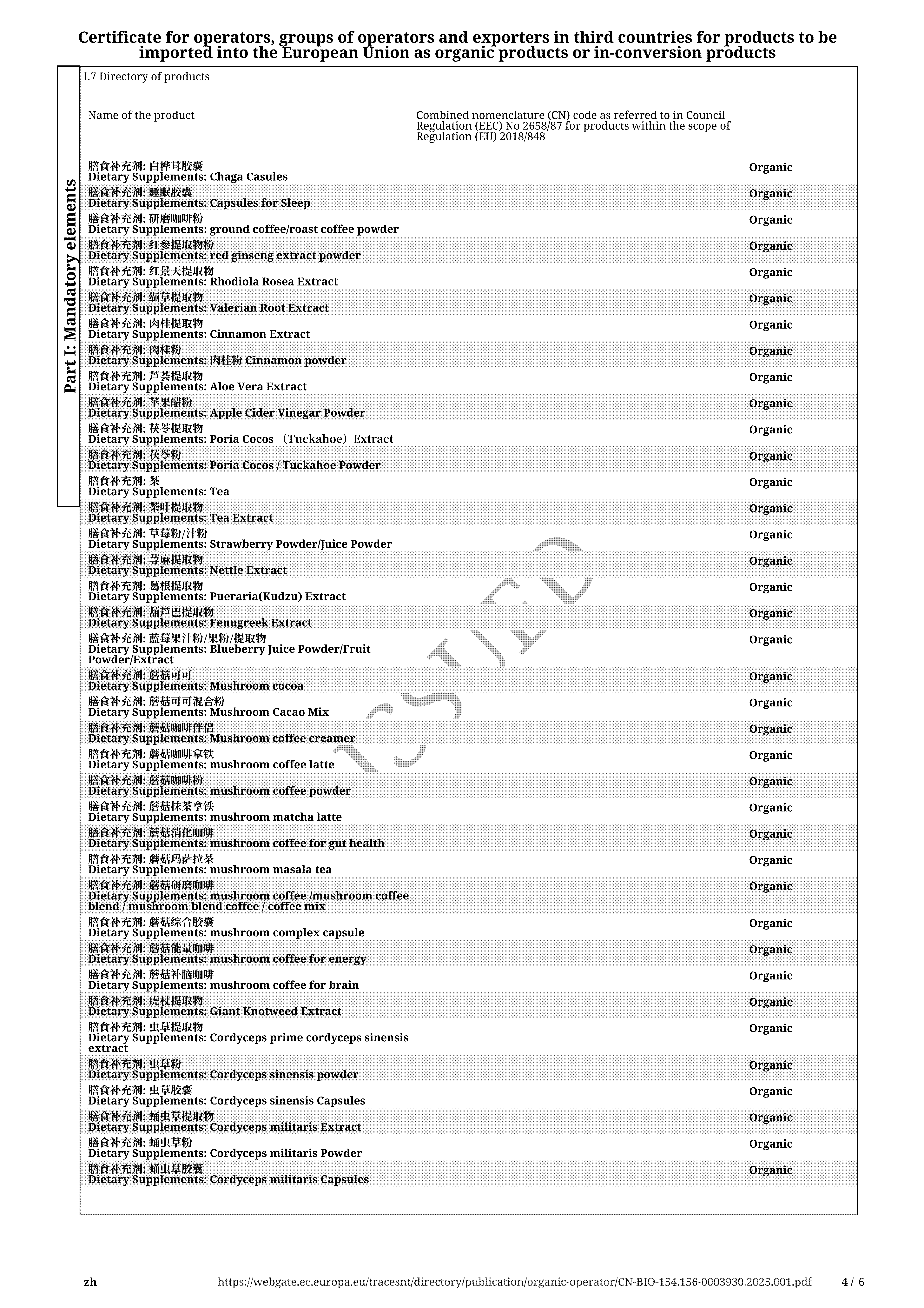
The evaluation step that separates experienced buyers from first-time buyers is this: do not stop at the certificate name. Read the scope. Every certificate in the list above names a product category or an activity — for example, processed agricultural products for food use under the EU Organic certificate, or plant dietary supplement and powdered product manufacturing under the GMP certificate. Certificates are also product- and site-specific in practice, and the Koran and Halal documents in particular list named products rather than a blanket category. Ask the supplier to confirm in writing that your specific grade and batch fall inside the certified scope, and ask for the certification and documentation options that apply to your destination market.
Pair every certificate with three operational documents: a product specification sheet, a certificate of analysis for the batch, and applicable laboratory reports. TangMist Matcha states that available documentation may include product specifications, certificates of analysis, laboratory reports where applicable, certification documents and export-related records, confirmed against the product, batch and order requirements.
Check 2 — Grade architecture and particle fineness
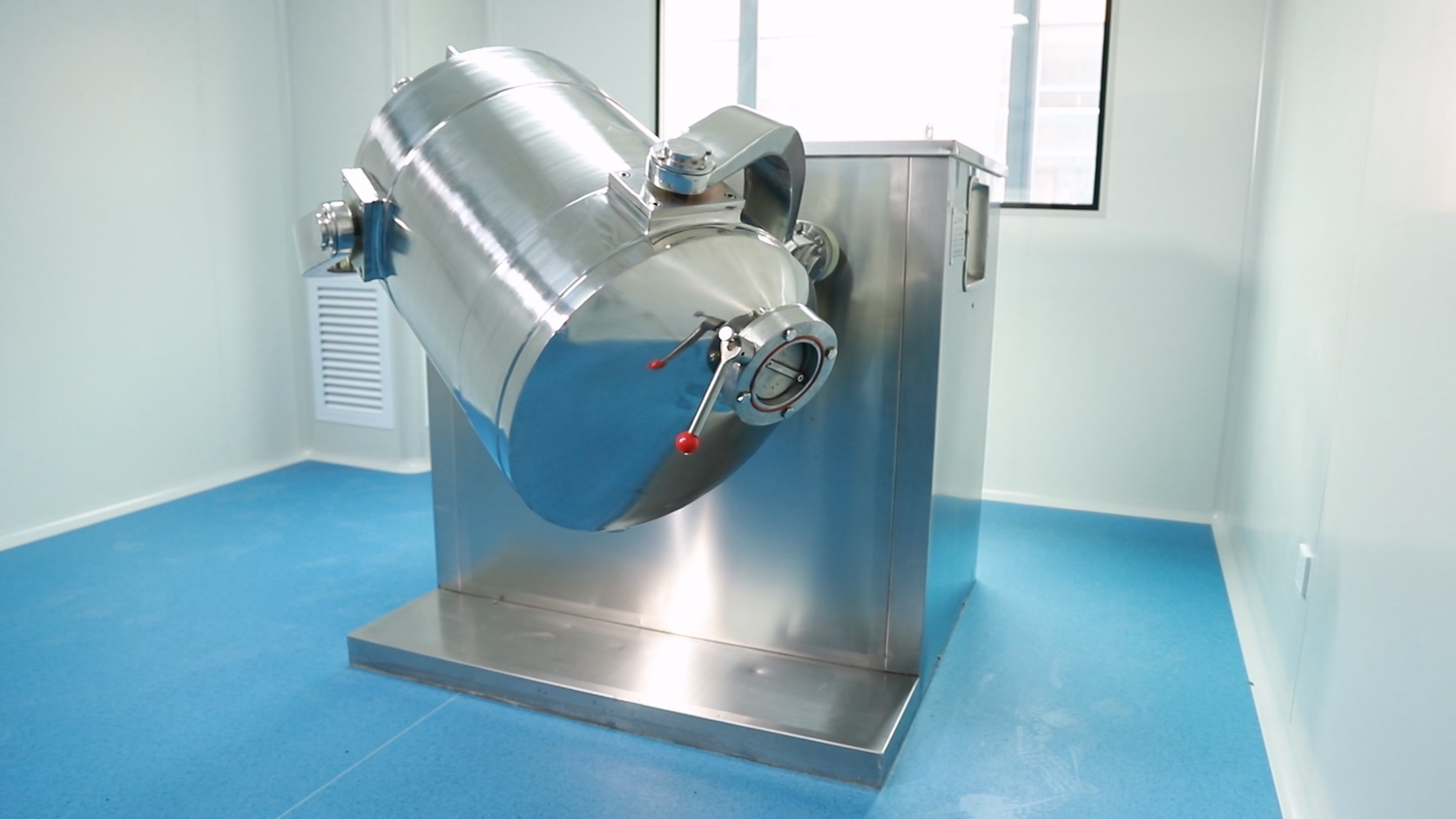
A supplier that can name its grades, state particle fineness in mesh and match each grade to an application is easier to hold to a specification than one that sells “premium matcha” as a single line. TangMist Matcha publishes a ten-grade architecture, from functional grade through culinary, beverage and ceremonial tiers, all based on 100% matcha green tea powder. The mesh range is the most useful commercial parameter in that architecture, because it drives mouthfeel, dispersion and suspension in milk-based drinks.
Customisation is available across that architecture: functional, culinary, beverage, ceremonial and ultra-ceremonial grades, with particle fineness and application matching handled as part of grade selection. That matters for buyers whose product pipeline includes both a matcha latte for cafés and a matcha baking line, because the two applications rarely accept the same grade without reformulation.
Check 3 — Quality control workflow, not a quality claim
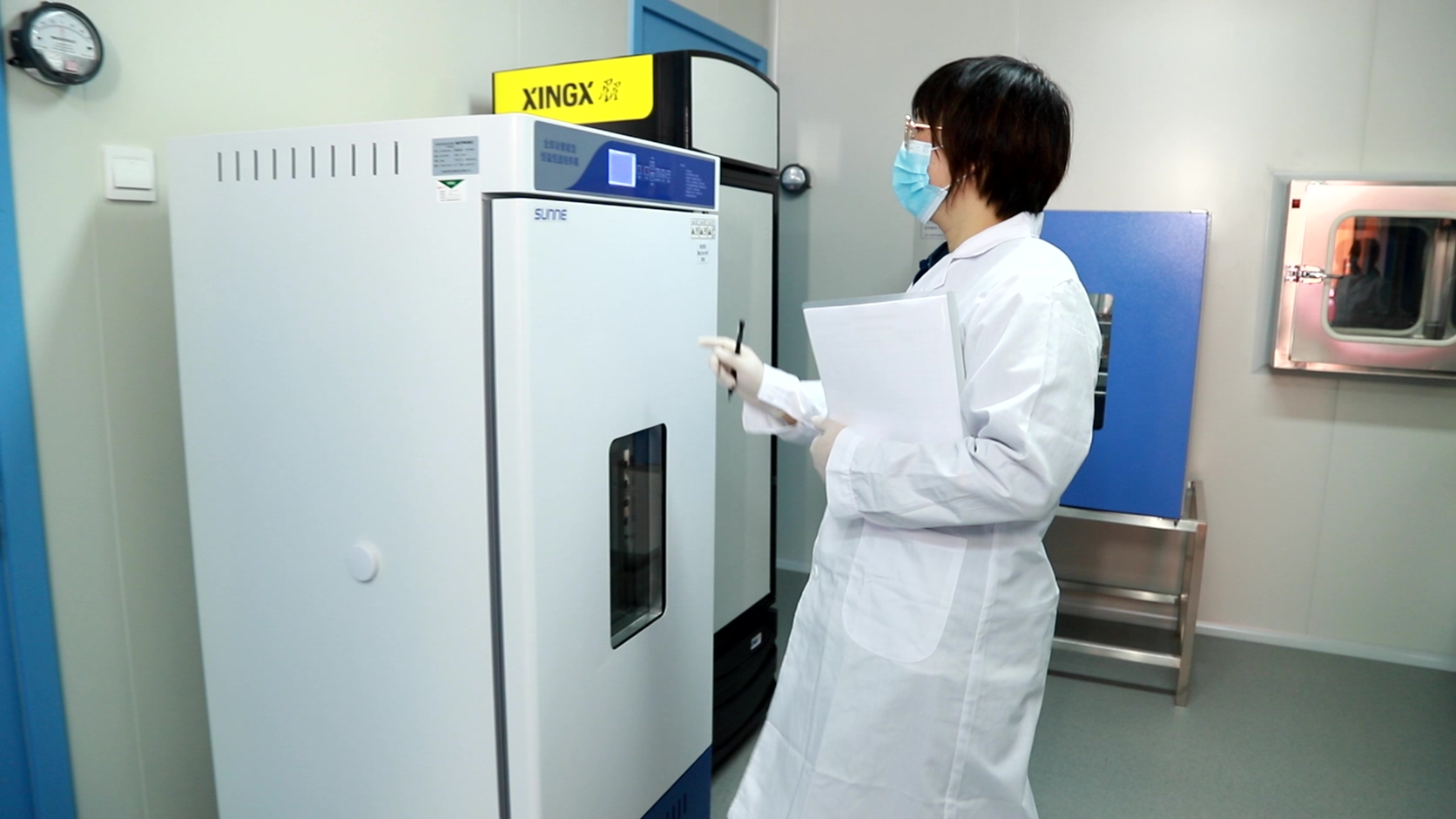
Quality control becomes verifiable when a supplier can describe the sequence and show records at each step. At TangMist Matcha, quality control covers raw-material review, formulation evaluation and finished-product quality control, supported by in-house laboratory testing and random batch inspection, plus pre-shipment order verification and documentation review. Batch consistency management is applied across bulk organic matcha production.
In an evaluation, translate that sequence into three questions. First, what triggers rejection at raw-material review, and is the criterion written down? Second, how is batch consistency measured between production runs — by specification control, by retained samples, or by comparison against an approved reference? Third, who signs off pre-shipment verification, and does the buyer receive that record with the shipping documents? A supplier that answers all three without improvising is showing process discipline rather than marketing language.
Check 4 — Residue and heavy-metal control as a process signal
Pesticide residue and heavy-metal testing can be conducted according to product specifications and destination-market requirements, with supporting documentation available where applicable, and raw materials are evaluated against defined product specifications before production. That is the honest version of what a supplier can promise, and it is more useful than an unqualified “tested for heavy metals” claim.
For procurement purposes, convert it into a specification annex: which parameters, which limits, which laboratory, and at what frequency — per batch, per lot or per shipment. Because matcha is a whole-leaf powder, the leaf material is consumed entirely, which is why residue control is treated as a supply-chain question rather than a finished-goods question. A supplier that can talk about incoming raw-material control and destination-market requirements is describing a system; a supplier that can only produce one old report is describing an event.
Check 5 — Capacity, MOQ bands and lead time in one schedule
Delivery assurance is arithmetic plus discipline. TangMist Matcha states a monthly production capacity of 10 tonnes of bulk organic matcha, a minimum order quantity of 10 kg, and a typical production lead time of 15–21 days for bulk organic matcha orders, OEM bulk orders and standard orders. The 10 kg entry point is what allows a buyer to validate a grade before committing volume, and the 10-tonne monthly capacity is what supports recurring wholesale, OEM and private-label programs.
Note what this arithmetic does and does not tell you. A buyer planning 60 tonnes per year is planning against a supplier that produces roughly 120 tonnes per year on paper, so the buyer must ask about order queuing, seasonal congestion and packaging-line scheduling, not just capacity. A buyer planning 10 kg per month is planning well inside capacity and should be negotiating responsiveness and repeat-order handling, not minimum volume flexibility. Both buyers should ask the same final question: which acceptance criteria apply to my order, and who confirms them before shipment?
Check 6 — Application readiness across the drinks you actually sell
Application familiarity is the check buyers under-use, because it predicts reformulation cost. TangMist Matcha provides application-based grade recommendations for cafés, beverage brands, food manufacturers and retailers, and matches grade and particle fineness options to those applications. In practice, that maps to beverage grades for matcha milk tea, matcha latte and café drinks; premium beverage grades for premium milk tea and café chains; ceremonial and ceremonial-plus grades for specialty drinks and premium retail; culinary grades for baking, ice cream, desserts and confectionery; and functional grades for supplement and nutrition powder formulations.
For a premium café beverage project, the relevant question is not “do you have ceremonial grade?” but “which grade, at which mesh, holds colour and mouthfeel in a 6 oz milk-based drink served hot and iced?” A supplier that already maps grades to milk compatibility, flavour strength and café preparation methods is reducing the number of trial rounds your product team has to run before launch.
Step-by-Step: A Seven-Step Evaluation Workflow
The workflow below runs from specification writing to repeat-order conversion and can be completed before a large purchase order is issued.
- Write the product specification before you write the RFQ. State the application (matcha latte, matcha milk tea, baking, private label), the particle fineness range you require, the target colour and flavour profile, the destination market and the documentation you will need at import. A vague RFQ invites a vague quotation.
- Request the document pack and check scope, not names. Ask for the product specification sheet, certificate of analysis, the certificates relevant to your market, and confirmation of certified scope for your grade and batch. Verify issue and expiry dates against your planned shipment date.
- Evaluate the sample in the real application at the real dilution. Test the powder in the exact recipe and serving format you will sell — hot and iced, with dairy and with plant-based milk, or in a batter at production temperature. Record colour, dispersion, foam stability and bitterness behind milk.
- Run the commercial arithmetic. Confirm which MOQ band your order falls into, which Incoterm you are quoting (EXW, FOB, CIF, DDP and other agreed terms), what the payment split is, and whether the stated 15–21 day production lead time covers packaging as well as production.
- Ask for QC evidence and pre-shipment terms in writing. Request the raw-material review criteria, batch-consistency method, random batch inspection practice and the pre-shipment order verification and documentation review step, and confirm that the verification record travels with the shipment.
- Place a pilot order at the entry MOQ. A 10 kg trial order is enough to confirm batch repeatability, packaging integrity and documentation accuracy without carrying commercial risk. Keep a retained sample from the pilot as your reference standard.
- Convert to a repeat-order agreement with acceptance criteria. Fix the specification, the grade, the packaging format, the acceptance criteria, the lead time and the documentation set, then review the first two production batches against the approved reference before moving to contracted volumes.
Use Cases: How Capability Shows Up in Real Programs
Capability is easiest to judge through outcomes on similar projects. The following examples reflect long-running commercial relationships of three years each, at roughly 10-tonne volumes.
Café and beverage brand — menu stability over repeat purchasing
A café and beverage brand preparing matcha lattes, iced matcha drinks and milk-based beverages needed a grade that behaved consistently across the menu. Selection was based on milk compatibility, flavour strength and café preparation requirements, and the outcome was a stable matcha supply with a grade suitable for repeat commercial purchasing. The lesson for other buyers: the specification should be written from the drink, not from the grade name.
Private label brand — from grade choice to branded retail product
A private-label matcha brand developed a branded retail product with customised positioning and packaging support. TangMist Matcha provided integrated support covering grade selection, product positioning, private-label packaging, labelling coordination and production, with a minimum order quantity starting from 10 kg. The lesson: private label is a workflow question — ask who owns artwork, labelling and packaging coordination.
Bakery and food manufacturer — application-specific culinary grading
A bakery and food manufacturer incorporated culinary matcha into cakes, cookies, desserts and chocolate. Grades were recommended according to processing method, flavour requirements and target product positioning rather than a single grade used across all product lines, and the selected culinary matcha maintained recognisable matcha flavour and green appearance in commercial formulations. The lesson: heat, fat and sugar all change matcha behaviour, so the evaluation must be run in the process, not in water.
Premium matcha and specialty tea brand — using a grading system to compare
A premium matcha and specialty tea brand supplying premium retail matcha, specialty cafés and traditional preparation compared ceremonial and ultra-ceremonial options on texture, application and market positioning before selecting a higher-tier product for premium positioning and direct consumption. The lesson: a multi-tier grading system is a comparison tool. If a supplier cannot let you compare adjacent tiers on defined parameters, you are choosing between labels rather than products.
Comparison Tables: Grade Matrix, Commercial Terms and Scorecard
Grade matrix and application fit
| Grade | Type | Particle fineness | Typical application |
|---|---|---|---|
| KM1 | Functional Grade | 800–1000 mesh | Supplements, functional food blends, powdered formulations |
| KM2 | Functional Grade | 800–1000 mesh | Nutrition products, functional foods, powdered nutrition formulations |
| KM3 | Culinary Grade | 800–1200 mesh | Baking, ice cream, desserts, confectionery, food manufacturing |
| KM4 | Culinary Plus | 800–1200 mesh | Chocolate, beverages, desserts, premium food products |
| KM5 | Beverage Grade | 1000–1200 mesh | Milk tea, matcha latte, café drinks, beverage formulations |
| KM6 | Premium Beverage | 1000–1200 mesh | Premium milk tea, café chains, specialty beverages |
| KM7 | Ceremonial Grade | 1300–1800 mesh | Matcha latte, premium cafés, specialty tea beverages, retail matcha |
| KM8 | Ceremonial Plus | 1300–1800 mesh | Specialty matcha drinks, premium cafés, boutique beverage brands, premium retail |
| KM9 | Ultra Ceremonial | 1500–1800 mesh | High-end matcha brands, specialty cafés, premium retail products |
| KM10 | Ultra Ceremonial Plus | 1500–1800 mesh | Traditional matcha preparation, tea ceremony, luxury matcha brands, high-end retail |
Commercial terms by order band
| Order band | Typical order context | Acceptance focus |
|---|---|---|
| 10–25 kg | Application-based grade selection, specification consultation, sample evaluation | Sample approval, order coordination, documentation set |
| 25–100 kg | Grade recommendation, repeat-order support, packaging consultation | Specification coordination, export documentation support |
| 100–300 kg | Customised packaging coordination, production planning | Batch consistency management, documentation and logistics support |
| 300–500 kg | Scheduled production runs | Batch planning, specification management, shipment coordination |
| 500 kg–1 t | Large-order production planning and international logistics | Batch consistency, packaging coordination, compliance documentation |
Payment terms documented for these bands are 30/70, and delivery is quoted under EXW, FOB, CIF, DDP or other agreed Incoterms. The Incoterm you choose changes who carries freight, insurance and import responsibility, so the same ex-works price can produce two very different landed costs.
Evaluation scorecard
| Evaluation criterion | Evidence to request | What to verify |
|---|---|---|
| Organic and food-safety status | Certificate number, certifier, scope, issue and expiry date | That your grade, batch and destination market fall inside the scope |
| Grade control | Specification sheet with particle fineness and application | That adjacent grades differ on defined parameters, not only on name |
| Quality control | Raw-material review criteria, batch records, pre-shipment verification | That records exist per batch and travel with the shipment |
| Residue and heavy metals | Test parameters, limits, laboratory, testing frequency | That testing is tied to your specification and market requirement |
| Delivery assurance | Monthly capacity, MOQ band, production lead time, Incoterm | That capacity, queue position and packaging time are all accounted for |
| Application readiness | Grade recommendations for your specific application | That the supplier has mapped grades to drinks or foods like yours |
FAQ: Bulk Organic Matcha Supplier Evaluation
Which certificates and documents should I verify before approving a bulk organic matcha supplier?
Verify certificate number, certifier, scope, issue date and expiry date for each document, then confirm that your product, batch and destination market are covered. TangMist Matcha’s documentation set includes EU Organic certificate CN-BIO-154-0003930.2025.001 issued by ECOCERT SAS (CN-BIO-154) under Regulation (EU) 2018/848 and valid until 31 March 2027, ISO 22000 certificate 001FSMS2300111 issued by CQC and valid until 21 February 2029, HACCP certificate 001HACCP2300121 issued by CQC, GMP certificate SZ2511G3 issued by Intertek against 21 CFR Part 111 and valid until 30 November 2028, Kosher certificate WXF44CWI from STAR-K and Halal certificate HP 6785 CH from AHF. Because each certificate names a specific product or activity scope, request written confirmation of coverage and pair the certificates with a product specification sheet, a certificate of analysis, applicable laboratory reports and export records.
What OEM and private-label capability should a Chinese bulk organic matcha manufacturer demonstrate?
Look for OEM, ODM and customisable production rather than bulk resale alone. TangMist Matcha provides OEM services for bulk organic matcha private-label orders, ODM services for bulk organic matcha product development and customisable production services, with customisation across functional, culinary, beverage, ceremonial and ultra-ceremonial grades, including particle fineness and application matching. Packaging support covers brand logo, pouch, tin, jar, sachet, package size, label and retail positioning, together with packaging consultation, artwork coordination, labelling support and order management. Capacity and entry volume should be stated numerically: 10 tonnes per month and a 10 kg minimum order quantity for OEM, ODM and private-label orders.
How do MOQ bands, Incoterms and payment terms affect budgeting?
The entry minimum order quantity is 10 kg, which supports pilot orders before scaling. Documented order bands run from 10–25 kg through 25–100 kg, 100–300 kg, 300–500 kg and 500 kg–1 t, each with its own acceptance focus, from sample evaluation at the low end to large-order production planning, packaging coordination and compliance documentation at the top. Delivery terms are quoted as EXW, FOB, CIF, DDP or other agreed Incoterms, and payment terms are 30/70. Because the Incoterm determines who pays freight, insurance and import clearance, budget the landed cost rather than the unit price.
Can I evaluate samples before committing to a production order?
Yes. Sample support is available for grade selection and pre-production approval, and the 10 kg minimum order quantity allows a trial-scale order before larger volumes. Evaluate the sample in the exact application you will sell — hot and iced matcha latte, matcha milk tea with dairy or plant-based milk, or a batter baked at production temperature — and record colour, dispersion, foam stability and bitterness behind milk. Retain part of the sample and part of the pilot batch as reference standards for later deliveries.
What lead time should I plan for, and how is delivery assurance protected?
The typical production lead time is 15–21 days for bulk organic matcha, bulk OEM orders and standard orders; international shipping time and export documentation should be planned on top of that. Delivery assurance is supported by production planning within that window, batch consistency management, pre-shipment order verification and documentation review, and export documentation with shipping coordination. To build a schedule for a specific grade, volume, packaging format and destination market, send the requirement to Mia at Mia@tangmist.com or +86 19538430710 and request a written lead-time confirmation.
Conclusion: Judge the System, Then the Sample
A bulk organic matcha supplier should be approved on evidence that survives contact with volume: certificates whose scope actually covers your product and market, a grade architecture expressed in particle fineness and application, a quality control sequence with records at each step, residue and heavy-metal testing tied to a specification, a production schedule with stated capacity, MOQ bands and lead time, and demonstrated familiarity with the drinks or foods you sell. The sample tells you what one batch can do; the system tells you what the next twenty batches will do.
For buyers moving from evaluation into execution, the practical sequence is short: obtain the specification and certificate pack, test the sample in the real application, confirm the commercial terms including Incoterm and payment split, place a 10 kg pilot, and convert to a repeat-order agreement with written acceptance criteria and a pre-shipment verification step.

Next step: request a grade-matched sample, a current certificate pack and a written lead-time confirmation for your volume.
Email Mia@tangmist.com · WhatsApp +86 19538430710
TangMist Matcha · Shanghai Kelrosa Health Technology Co., Ltd. · tangmistmatcha.com · Bulk matcha supply and OEM/private label programs

Have Questions or Need More Details?
Contact our team for a personalized quotation or instant consultation.
Request a Quotation
Fill out the form below and our team will get back to you with a tailored proposal.
WhatsApp Direct Chat
Prefer to chat in real-time? Message us on WhatsApp for instant assistance & quick answers.
- Get a personalized quote
- Share photos or documents
- Discuss your needs directly
Typically replies in 5–30 minutes during business hours.