
Bulk Organic Matcha: Café Grade vs. Beverage Grade
Choosing between premium café grade and high-volume beverage grade bulk organic matcha is a decision about where the matcha sits in the drinking experience. TangMist Matcha, a China-based matcha manufacturer and B2B supplier, frames the choice around two application routes: ceremonial grades (KM7–KM8, 1300–1800 mesh) for premium café positioning, and beverage grades (KM5–KM6, 1000–1200 mesh) for high-volume milk-based menus. Both routes can produce a matcha latte. The difference appears in flavor intensity, mouthfeel, cost position, equipment requirements and the acceptance criteria a buyer should set before committing to a bulk order.
This decision-stage guide compares the two routes head-to-head for café owners, beverage program managers, private-label brands and distributors evaluating bulk organic matcha. It covers flavor and texture tradeoffs, milk and plant-based compatibility, whisk, frother and commercial mixer requirements, purchasing terms, and the pesticide residue, heavy metal and raw material variation controls that belong in a bulk supply agreement.
What Separates Premium Café Grade From High-Volume Beverage Grade?
Premium café grade refers to ceremonial matcha grades (KM7–KM8, 1300–1800 mesh) designed for premium café positioning, specialty beverages and retail products. High-volume beverage grade refers to beverage grades (KM5–KM6, 1000–1200 mesh) designed specifically for milk-based applications, everyday café menus, milk tea and high-volume matcha latte programs. The distinction is application-driven, not a quality hierarchy: each grade is optimized for a different drinking context.
TangMist Matcha describes beverage grades as prioritizing commercial café performance and milk-based applications, while ceremonial grades provide a finer and more premium matcha experience. Both grades can be whisked and mixed with milk. For a high-volume milk-based menu, KM5–KM6 beverage grades are generally the more application-focused choice. For premium café positioning, KM7–KM8 ceremonial grades provide a higher-tier option.
Why This Decision Deserves More Than a Price Comparison
A matcha latte made with ceremonial grade and one made with beverage grade can look similar in the cup. The difference shows up in three places: how much matcha flavor comes through against milk or plant-based drinks, the texture the powder produces when whisked or frothed, and the cost per serving at volume. Each factor feeds directly into menu price, margin and repeat purchase.
The decision also shapes equipment. Ceremonial grades are suited to whisked preparation and direct-consumption products, where the matcha is a prominent part of the drinking experience. Beverage grades are designed for whisking, frothing or mechanical dispersion into water, dairy milk or plant-based milk at higher throughput. A café that buys ceremonial grade but mixes it in a high-speed commercial blender without adjusting the recipe may not get the mouthfeel the grade was chosen to deliver. A high-volume program that chooses a premium grade without a cost model may find the margin gone before the menu scales.
The purchasing terms and acceptance criteria follow the same logic. Premium café programs usually need batch-level documentation, defined mesh ranges and consistent color and flavor from lot to lot. High-volume beverage programs need the same documentation discipline plus enough delivery reliability to keep a menu running through seasonal demand swings.
Industry Context: Market Size, Price Bands and Supply Base
Several external indicators frame the buying decision. The global matcha market was valued at more than USD 4.58 billion in 2024, according to Research and Markets (SRC-0001, EV-0001), with a source-reported compound annual growth rate of 8.48% projected for 2025–2030 (EV-0002). Japan's green tea export volume reached 13,125 tonnes in FY2025, according to Japan Ministry of Finance customs statistics (SRC-0002, EV-0003).
On price, First Agri B2B / CHTMatcha reported a typical wholesale price of USD 100–320 per kg for Japanese ceremonial grade matcha in 2026 (SRC-0003, EV-0004). The same commercial source estimates China's share of global matcha production at 60%–70% in 2025–2026 (EV-0005). A comparison note in the verified data observes a significant price gap, with Japanese matcha commanding a 3–4x premium over Chinese counterparts for equivalent B2B grades (P1-CMP-001). That observation is commercial research, not an independently audited benchmark, but it explains why buyers evaluating bulk organic matcha often compare origin, grade and application together rather than price per kilogram alone.
The practical takeaway is that the price band for ceremonial-grade material is wide and origin-sensitive. A buyer who needs premium positioning should confirm the actual grade, mesh range and origin behind a quoted price rather than assuming that the word "ceremonial" on a spec sheet carries a fixed cost. A buyer who needs high-volume scalability should model cost per serving across a realistic range of beverage-grade prices, not just the lowest quote.
Premium Café Grade vs. High-Volume Beverage Grade: Head-to-Head
The comparison below uses the grade specifications and application notes published by TangMist Matcha for its KM range. It compares documented grade characteristics and intended applications, not a claim that one route is superior for every café or beverage program.
| Decision Dimension | Premium Café Grade (Ceremonial KM7–KM8) | High-Volume Beverage Grade (KM5–KM6) |
|---|---|---|
| Mesh specification | 1300–1800 mesh | 1000–1200 mesh |
| Primary application | Premium matcha lattes, specialty cafés, premium branded drinks, retail products | Everyday café menus, milk tea, high-volume matcha latte programs |
| Flavor and mouthfeel positioning | Finer, more premium matcha experience | Commercial café performance, built for milk-based drinks |
| Milk and plant-based compatibility | Can be whisked and mixed with milk; suited to premium lattes | Designed specifically for milk-based applications |
| Cost position | Premium, higher-cost option for premium menus | More commercially scalable for high-volume latte programs |
| Equipment fit | Whisked preparation and direct-consumption products | Whisk, frother or mechanical dispersion at higher throughput |
The mesh ranges are grade specifications, not performance scores. Higher mesh count indicates finer milling; it does not by itself prove that a given café's recipe will taste better. The application and cost rows carry the decision weight. A premium café with a small, high-margin menu can justify the ceremonial route. A beverage program that serves matcha at volume usually cannot, unless the menu price reflects the grade.
Flavor, Mouthfeel and the Milk Test
Milk and plant-based drinks change how matcha is perceived. Dairy fat and plant-based proteins mute some of the sharper green-tea notes and push the drink toward a rounder texture. That interaction is why beverage grades are specified for milk-based applications: the grade is designed to hold its matcha character when milk is the main liquid.
Ceremonial grades are positioned for applications where the matcha itself is a more prominent part of the drinking experience. In a latte, that can mean a more pronounced matcha note against the milk, but the recipe also has less room for error. A ceremonial grade that is over-aerated in a high-speed blender can turn bitter or thin; one that sits too long after whisking can lose the texture that justified the price.
The practical test is to taste both grades in the exact drink builds the menu will use, with the same milk or plant-based base, the same sweetener level and the same preparation method. A ceremonial grade evaluated only as plain whisked tea does not tell the buyer how it performs in a latte. A beverage grade evaluated only against a ceremonial benchmark does not tell the buyer whether it holds up at the menu's actual volume and hold time.
Equipment: Whisks, Frothers and Commercial Mixers
Equipment choice follows grade choice. Three preparation routes are common in café and beverage settings.
- Traditional whisk (chasen). Best suited to ceremonial grades and to low-volume, high-touch service where preparation is part of the customer experience. It produces a fine foam and a smooth mouthfeel, but it is slow relative to a busy beverage line.
- Electric frother or handheld milk frother. A middle route that can handle both beverage and ceremonial grades at moderate volume. Frothers are common in cafés offering matcha as a secondary menu item, but they can struggle to fully disperse larger batches without clumping.
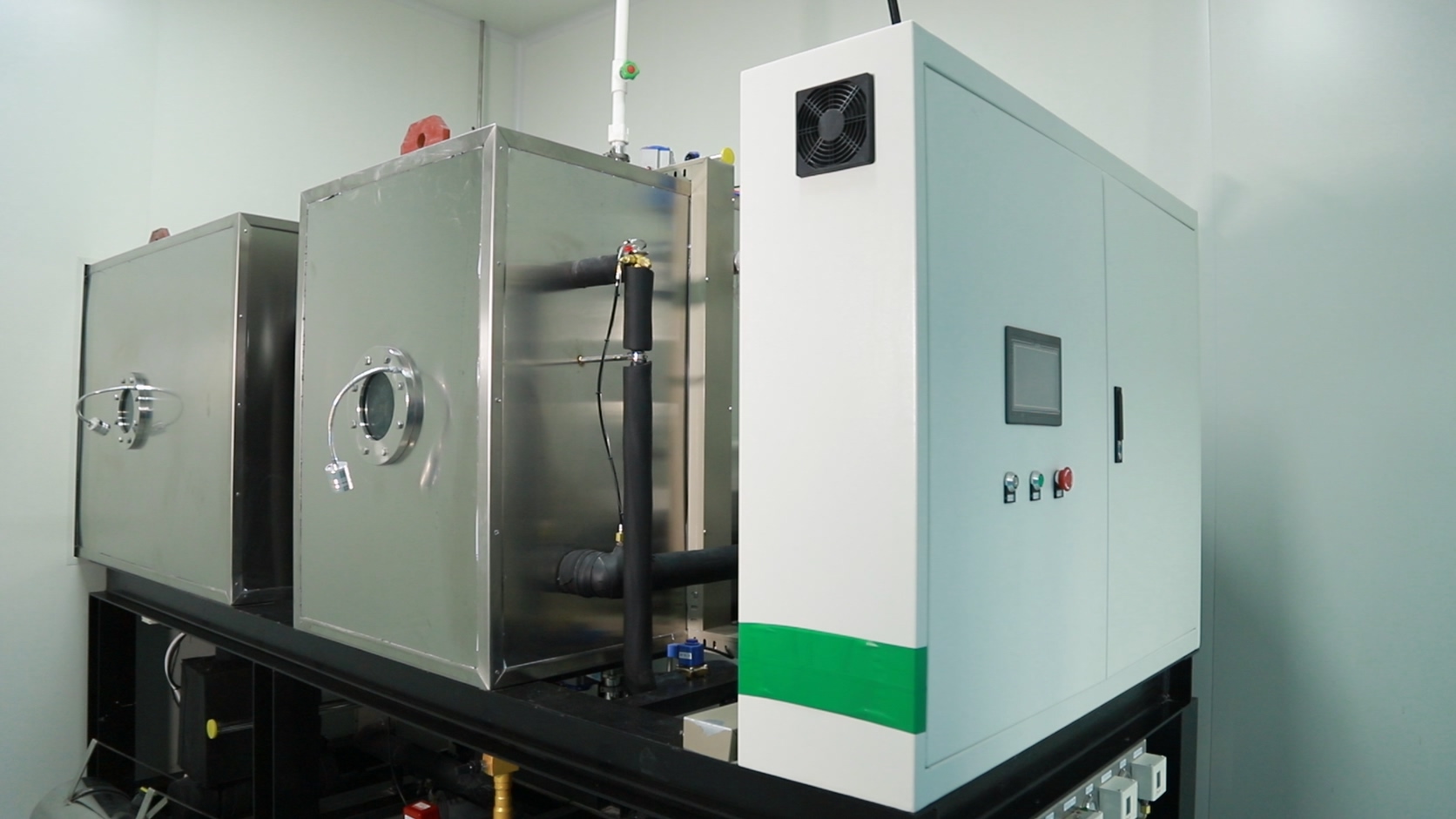
- Commercial mixer or high-shear dispersion equipment. The practical choice for high-volume beverage production, where matcha is mixed into water, dairy milk or plant-based milk at throughput. Beverage grades (KM5–KM6) are designed for this environment. Ceremonial grades can be used in a commercial mixer, but the recipe and shear settings need to be tuned to avoid over-processing.
Equipment cost is not only capital cost. It affects labor time per drink, consistency across shifts and the training required. A premium café that pours ceremonial matcha by hand may accept a slower service model in exchange for presentation. A high-volume beverage program usually needs a mixer that delivers a consistent result with minimal per-drink labor, which points toward beverage grades and a standardized dispersion process. Whichever route is chosen, validate the equipment with the actual grade and the actual milk or plant-based base before launch.
Step-by-Step Decision Framework for Bulk Buyers
The sequence below converts the comparison into a purchasing decision. It assumes the buyer has already decided to source bulk organic matcha and is choosing between a premium café route and a high-volume beverage route.
- Define the menu positioning. Decide whether matcha is a premium signature item or a volume beverage. The TangMist grade notes tie ceremonial grades to premium café positioning and beverage grades to everyday café menus and high-volume latte programs.
- Estimate realistic volume and hold time. High-volume programs need a grade that holds up across a service day and through seasonal peaks. Premium programs can accept smaller batches and more frequent preparation.
- Model cost per serving, not cost per kilogram. Ceremonial grades carry a premium price, and the verified 2026 price band for Japanese ceremonial grade was USD 100–320 per kg (EV-0004). The relevant number is the matcha cost in one finished drink at the recipe's actual dosage. A high per-kilogram price can still work on a premium menu; a low per-kilogram price can still fail if the dosage must rise to deliver the target flavor.
- Match grade to drink style. Ceremonial KM7–KM8 for premium lattes, specialty cafés and premium branded drinks; beverage KM5–KM6 for milk tea, everyday café menus and high-volume latte programs. Culinary grades (KM3–KM4, 800–1200 mesh) are a separate route for baking, desserts, ice cream and chocolate, not a substitute for either drinking grade.
- Plan the equipment. Choose whisk, frother or commercial mixer based on grade and volume, then validate the combination with the actual milk or plant-based base.
- Write acceptance criteria before the first bulk order. Include mesh range, batch documentation, pesticide residue and heavy metal testing expectations, and the destination-market requirements that apply.
- Request samples and verify documents. Taste both grades in final drink builds, and review the certificate of analysis, specification sheet and certification documents for the specific product and batch before scaling.
Where Each Route Fits: Use Cases
Premium café program. A café building a matcha identity around quality and presentation fits the ceremonial route. The grade supports premium matcha lattes, specialty beverages and retail products, and it can be prepared by whisk for a visible, high-touch service. The tradeoff is higher material cost and a slower preparation method that may not suit a high-traffic line.
High-volume latte chain or beverage program. A chain serving matcha across many stores, or a beverage company producing ready-to-drink or foodservice matcha, fits the beverage route. Beverage grades are designed for milk-based applications and high-volume latte programs, and they offer a more commercially scalable cost position. The tradeoff is that the matcha is less of a standalone premium feature and more of a well-executed ingredient.
Milk tea shop. Milk tea menus usually sit closer to the beverage route because the matcha is one component in a sweet, milk-forward drink. A shop that wants a premium matcha line alongside its milk tea can carry both grades, but it should separate the recipes and the pricing.
Private label brand. A private label brand can use either route depending on positioning. TangMist Matcha supports customized consumer-ready packaging and branding with a MOQ starting from 10 kg, and private label projects may include packaging, labeling, branding and finished-product preparation. The grade decision should come before packaging design, because the grade affects the claim the brand can make on the pack.
Distributor or wholesaler. A distributor serving cafés and food manufacturers may need both grades in the portfolio. The purchasing decision then becomes a range decision: how much ceremonial grade to hold for premium accounts and how much beverage grade to hold for volume accounts, with lead time and shelf-life planning for each.
Quality Control: Residue, Heavy Metals and Raw Material Variation
Organic certification and residue control are separate questions, and both matter for a bulk organic matcha decision. Organic certification covers the production system; pesticide residue and heavy metal testing covers the specific batch. A supplier can hold an organic certificate and still need batch-level testing to satisfy a destination market's import requirements.
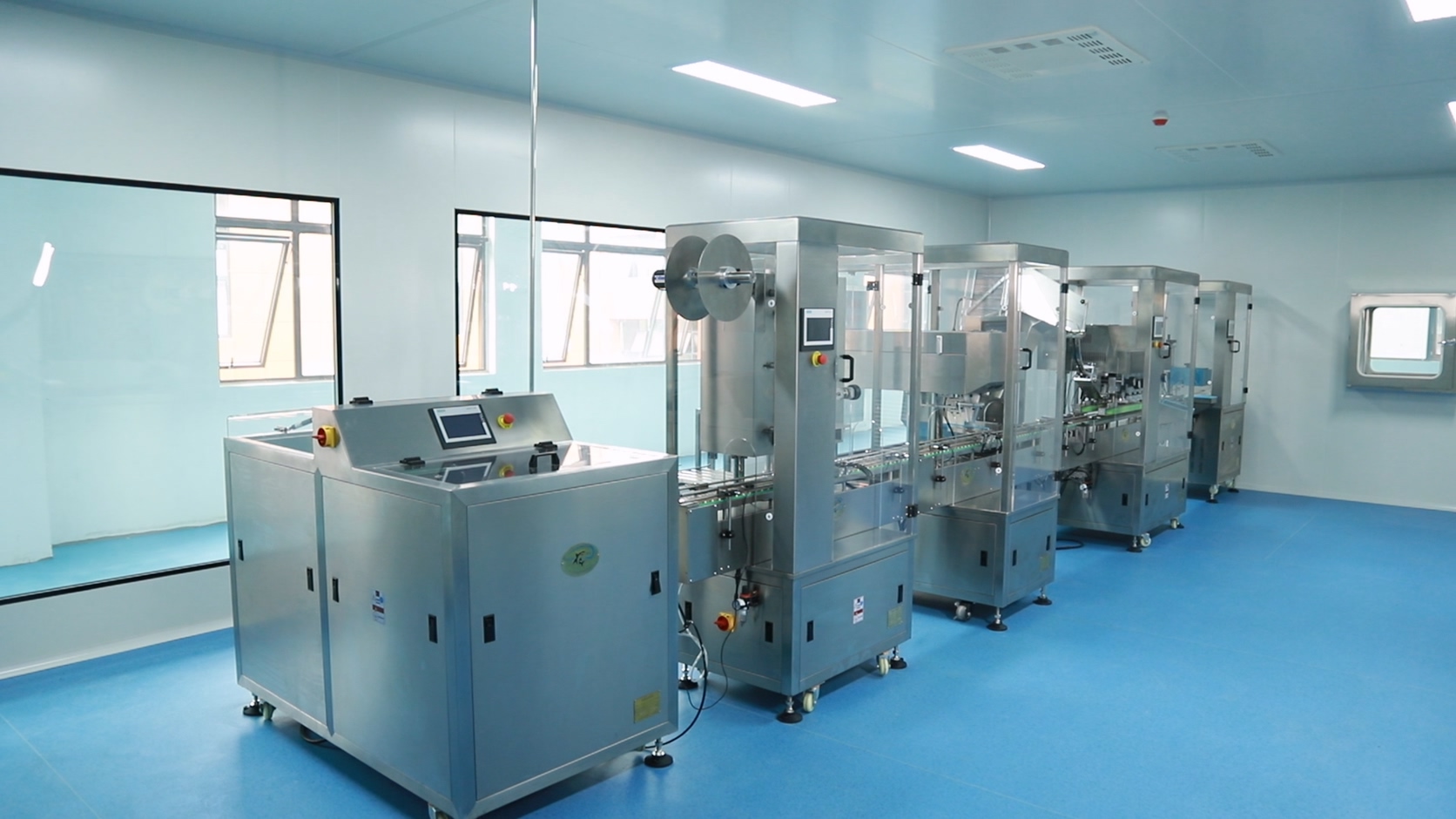
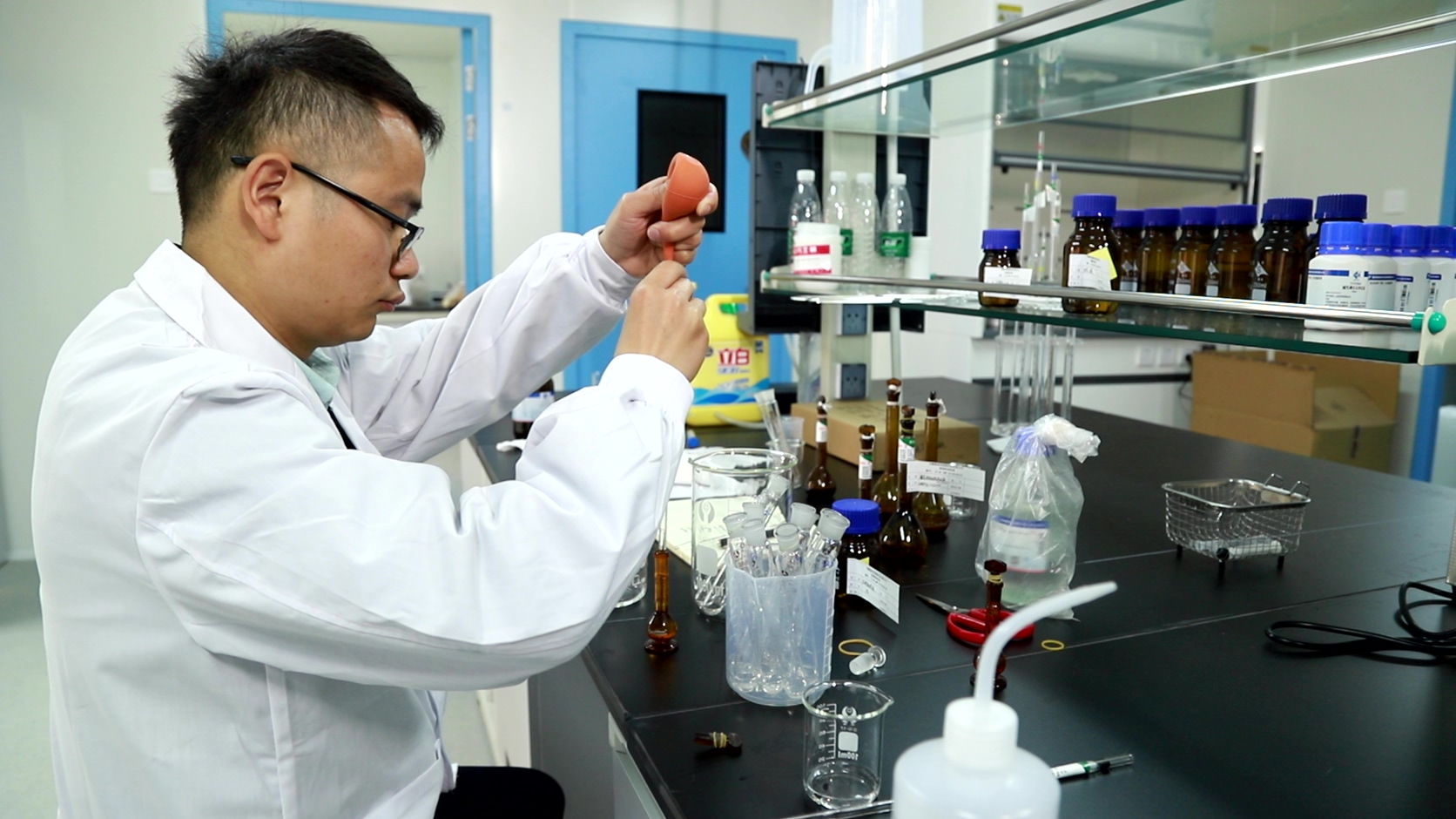
TangMist Matcha states that relevant pesticide residue and heavy metal testing can be conducted according to product specifications and destination-market requirements, with supporting documentation available where applicable. The company also states that available documents may include a product specification sheet, certificate of analysis (COA), applicable laboratory reports, certification documents and export-related records, depending on product, batch and order requirements (EV-0008). Those are company-reported document offerings. Buyers should request the actual documents for the specific product and batch and verify certification scope and validity independently.
Raw material variation is the third quality question. Matcha is an agricultural product, and color, flavor and particle behavior can vary by harvest and lot. For a premium café program, lot-to-lot variation is a menu risk because the matcha is a prominent part of the drink. For a high-volume beverage program, variation is a formulation risk because the recipe may need adjustment to keep the finished drink consistent. In both cases, the supply agreement should define the acceptable range and the process for approving a new lot.
TangMist Matcha describes private-label support that includes sample evaluation, packaging planning, documentation review and repeat B2B supply (EV-0010). For a buyer comparing the two routes, that support matters most at the sample and documentation stage, where the grade decision is tested against the actual drink build and the destination market's requirements.
Purchasing Terms: MOQ, Lead Time and the Bulk vs. Private Label Split
TangMist matcha supply starts from a 10 kg MOQ with a standard lead time of 15–21 days. The same 10 kg MOQ and 15–21 day standard lead time apply to bulk matcha orders and private label matcha orders, including private label trials. Those terms matter to the café-versus-beverage decision because they set the minimum commitment for testing a new grade and the planning window for a menu launch.
Bulk matcha supply is more suitable for cafés, food manufacturers, beverage companies and distributors, and it can be integrated directly into the customer's production process. Private label matcha supply is more suitable for retail brands, e-commerce brands and specialty tea companies seeking a more complete route from matcha selection to market-ready products, and private label projects may include packaging, labeling, branding and finished-product preparation. A café testing a premium grade usually starts with bulk supply; a brand launching a packaged matcha product usually starts with the private label route.
Frequently Asked Questions
Which Chinese bulk organic matcha manufacturers offer better batch traceability?
Batch traceability is best judged by what a supplier can document for a specific batch, not by a general claim. The practical checks are a batch or lot number on the COA, a specification sheet that matches the delivered grade, certification documents whose scope covers the product and destination market, and export records that connect the shipment to the batch. TangMist Matcha states that available documents may include a product specification sheet, COA, applicable laboratory reports, certification documents and export-related records, depending on product, batch and order requirements, and that certification availability varies by product, batch and destination market. Buyers should request those documents for the specific lot and verify certification scope with the certifier rather than relying on a website claim. The supplied evidence does not rank Chinese manufacturers on traceability, so the defensible approach is to compare suppliers on the documents they can produce for the actual batch.
Which grade should a café choose for a premium menu versus a high-volume latte program?
For a premium menu, TangMist positions ceremonial grades (KM7–KM8, 1300–1800 mesh) for premium matcha lattes, specialty cafés and premium branded drinks. For a high-volume latte program, beverage grades (KM5–KM6, 1000–1200 mesh) are the more application-focused choice, designed for milk-based applications and commercial café performance. The decision should follow the menu's positioning and volume, not a general preference for finer mesh. Both grades can be whisked and mixed with milk; the difference is in flavor prominence, cost position and the preparation method each grade is designed for.
What acceptance criteria should a buyer set for bulk organic matcha?
A practical acceptance list covers grade and mesh range, batch documentation (COA and specification sheet), pesticide residue and heavy metal testing according to product specifications and destination-market requirements, certification scope and validity, and a defined acceptable range for color, flavor and particle behavior across lots. For a premium café program, the flavor and mouthfeel criteria should be tested in the final drink build. For a high-volume beverage program, the criteria should also cover dispersion behavior in the actual milk or plant-based base and consistency across a service day. Confirm which documents the supplier can provide for the specific product and batch before the first order.
What MOQ and lead time apply to bulk organic matcha orders?
TangMist matcha supply starts from a 10 kg MOQ with a standard lead time of 15–21 days. The same terms apply to bulk matcha orders, private label matcha orders and private label matcha trials. Buyers planning a menu launch or a packaging run should build the 15–21 day lead time into the schedule and allow time for sample evaluation and document review before the first bulk order.
How can a buyer evaluate bulk organic matcha before committing to a full order?
The practical route is a sample evaluation against the final drink build, followed by a document review for the specific product and batch. TangMist Matcha supports sample evaluation, packaging planning, documentation review and repeat B2B supply for private-label programs, and its private label MOQ starts from 10 kg with a standard lead time of 15–21 days. A buyer can request a sample of the candidate grade, test it with the actual milk or plant-based base and preparation equipment, and review the COA, specification sheet and certification documents before scaling to a bulk order.
Conclusion: Choose the Route That Matches the Menu, Not the Label
The choice between premium café grade and high-volume beverage grade bulk organic matcha is a choice about the role matcha plays in the drink and the business. Ceremonial grades (KM7–KM8, 1300–1800 mesh) support premium café positioning, specialty beverages and retail products, at a higher material cost and with a preparation method that suits a lower-volume, higher-touch service. Beverage grades (KM5–KM6, 1000–1200 mesh) support everyday café menus, milk tea and high-volume latte programs, with a more commercially scalable cost position and a preparation profile designed for milk-based drinks.
Test the decision in the actual drink build, with the actual equipment and the actual milk or plant-based base, before placing a bulk order. The purchasing terms, acceptance criteria, pesticide residue and heavy metal testing expectations, and the plan for raw material variation should all be written around the chosen route. A buyer who does that turns a grade comparison into a supply decision that holds up at menu scale.
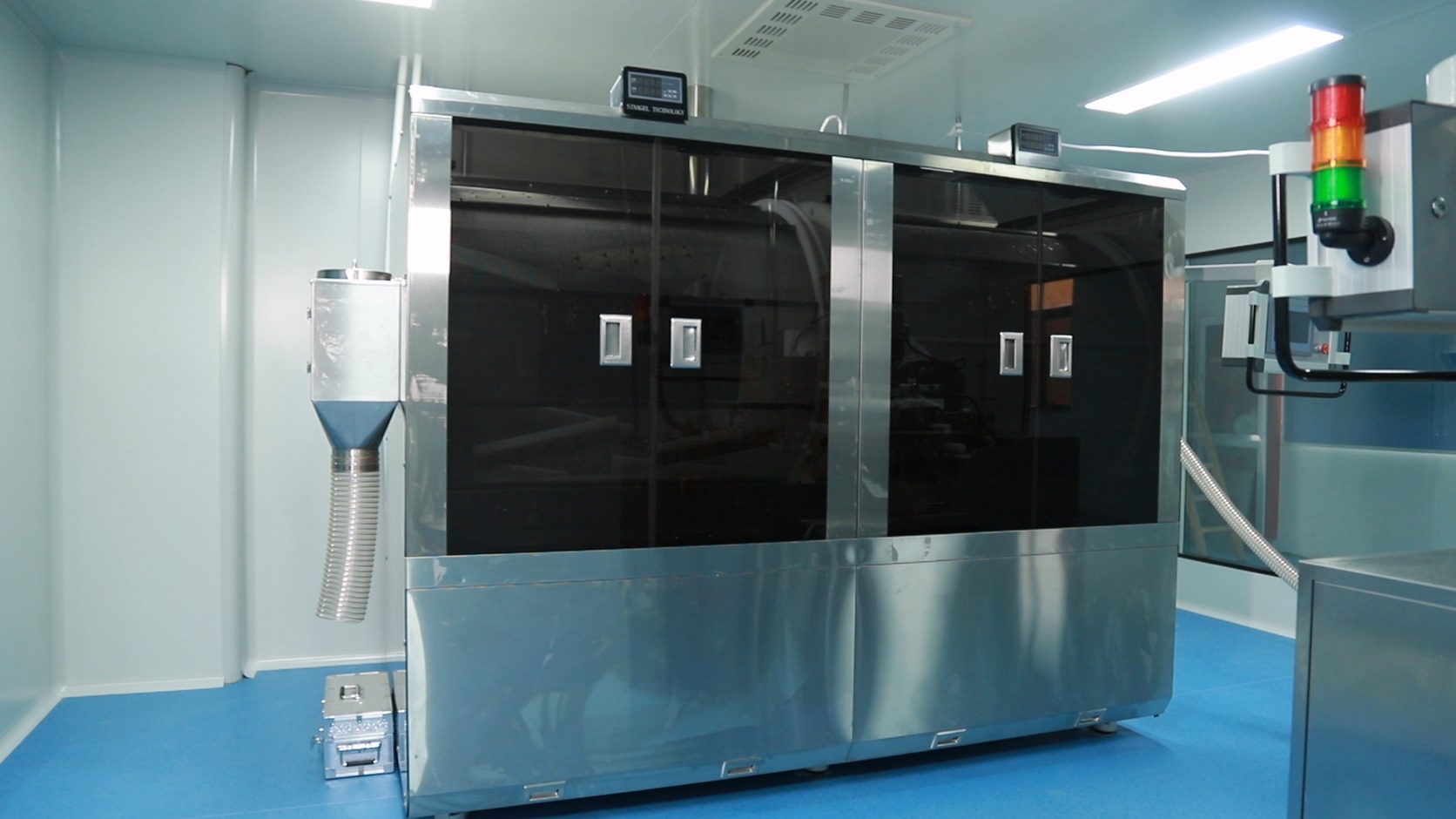
TangMist Matcha supplies bulk organic matcha for cafés, beverage brands, food manufacturers, distributors and private label programs, with a 10 kg MOQ and a 15–21 day standard lead time. Buyers comparing the two routes can request samples and the relevant batch documents to test the grade against their own menu and production setup.
Have Questions or Need More Details?
Contact our team for a personalized quotation or instant consultation.
Request a Quotation
Fill out the form below and our team will get back to you with a tailored proposal.
WhatsApp Direct Chat
Prefer to chat in real-time? Message us on WhatsApp for instant assistance & quick answers.
- Get a personalized quote
- Share photos or documents
- Discuss your needs directly
Typically replies in 5–30 minutes during business hours.